Pink power: the rise & rise of rosé wine

By Anne Krebiehl MW

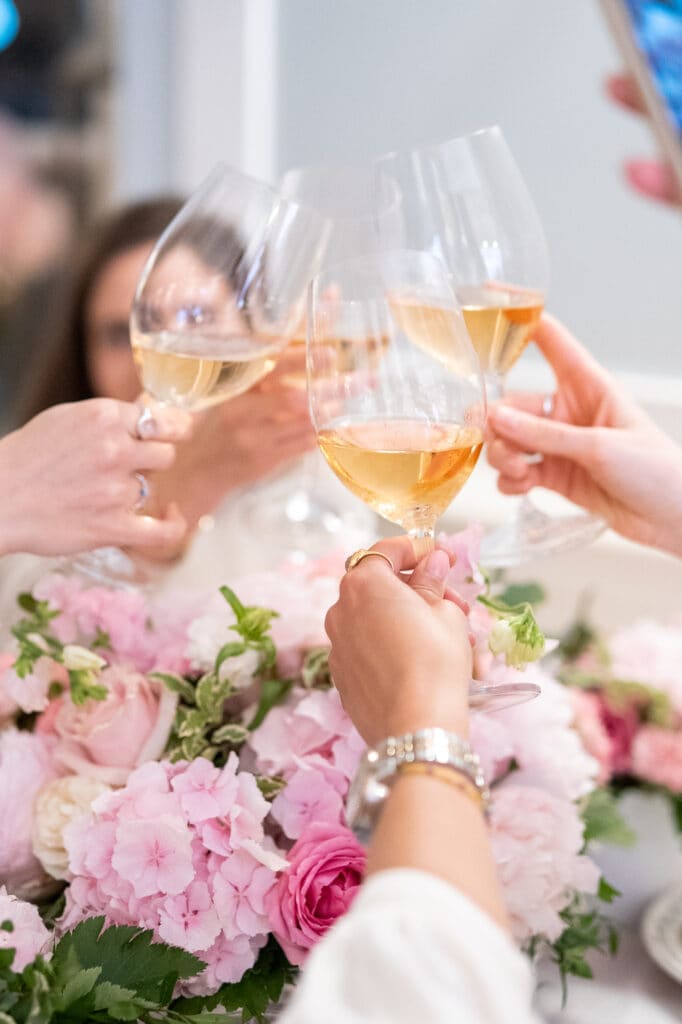
The rise, swell and sweep of the pink wave is one of the most remarkable reversals of fortune the wine world has seen. Why? Because rosé wines struggled to be taken seriously for the longest time.


While rosés and light, translucent red wines have been around for centuries, in the late 18th and early 19th century they started to lose their lustre. The better red winemaking techniques became, the more paler red and pink wines suffered. Next to fuller-coloured reds, they were seen as weaker in every respect: colour, structure, appeal – and seriousness. The fact that some rosé wines were commercially successful, affordable and popular did nothing to improve that image. Just think of Mateus Rosé. While rosés brought joy to many, their popularity and pricing made them easy to dismiss despite historic styles like Tavel, Bandol and Provençal rosé – all from the south of France. Pink was considered frivolous: why would you age or elevate rosé wine? How could something so beautiful to look at be serious? But now its fortunes have changed. Something happened that shifted the way we think about pink wines. The Observatoire Mondial du Rosé’s report notes a “dramatic” rise of 20 percent since 2002. While France, Spain and Italy still dominate rosé production, South Africa has doubled and New Zealand quadrupled their rosé production. They also note that “the average price of rosé sold around the world continues to climb.” The figures for sparkling rosé are no less impressive, but more of that later.
The turning point

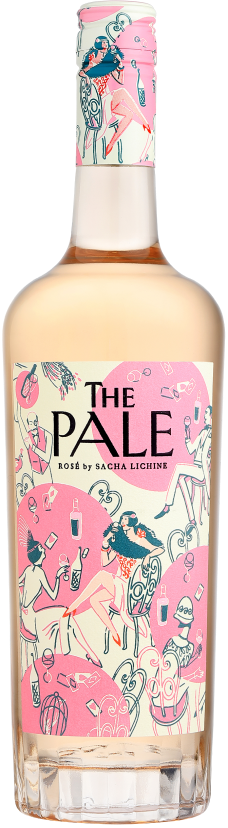
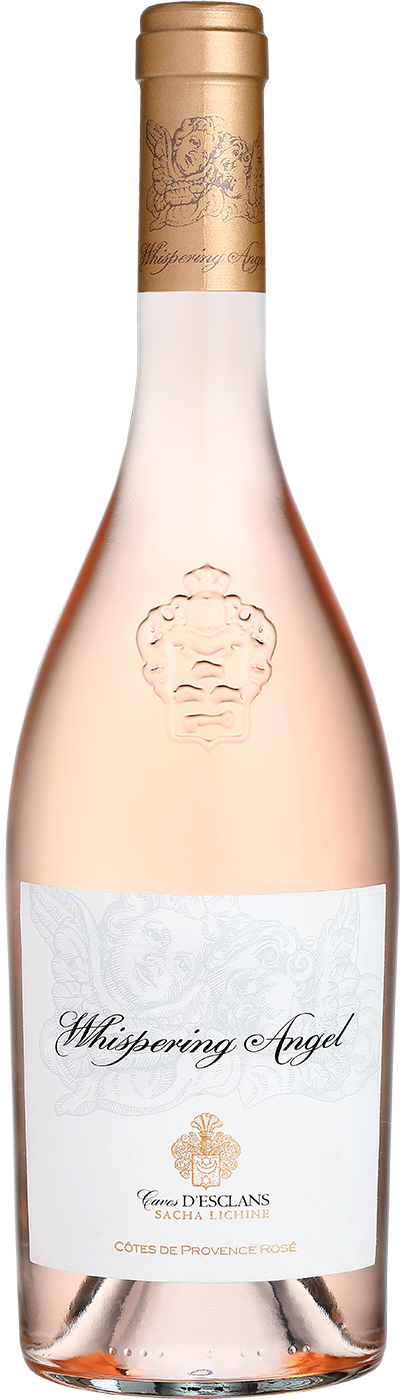
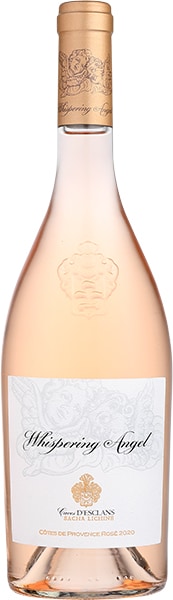
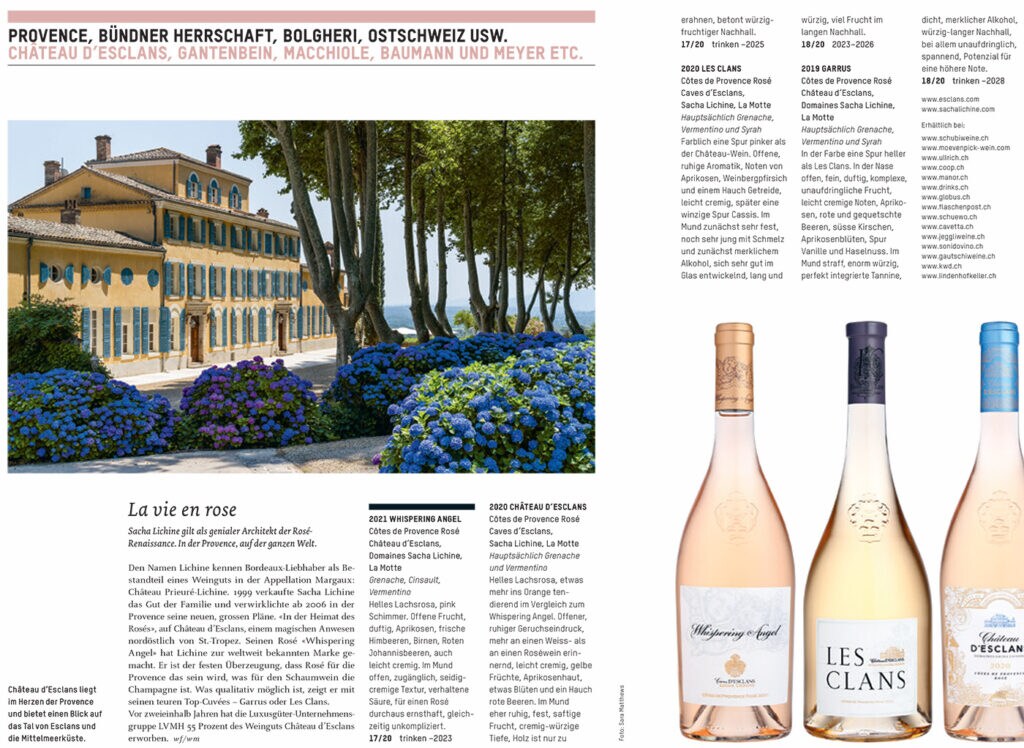
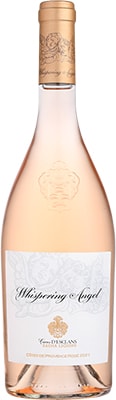
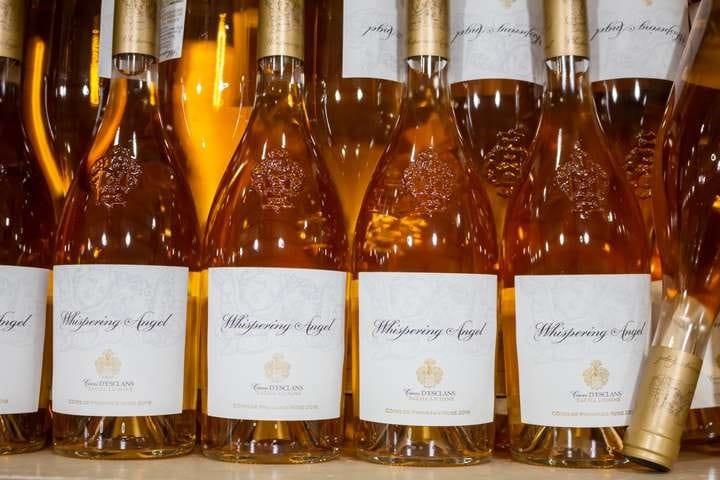
Things had changed by the turn of the millennium: viticulture and winemaking had made immense strides. But, as is often the case, it took outsiders to make a difference. In 2006 Franco-American Sacha Lichine bought Château d’Esclans in Provence. Lichine had deep knowledge of the international wine markets: his father, Alexis Lichine, an influential American wine merchant and author had owned Château Prieuré-Lichine in Margaux, Bordeaux. Lichine junior had an uncanny sense of timing and a singular aim: to make Provençal rosé a fine wine and to create a world-famous brand – Whispering Angel. He made 130,000 bottles of his inaugural 2006 vintage. A decade later in 2016 that had grown to three million bottles and output has grown steadily ever since. A sprinkling of Hollywood stardust also helped Provençal rosé. Celebrity couple Angelina Jolie and Brad Pitt bought Château Miraval in Provence in 2008. In 2013 they debuted their 2012 vintage and it became a sell-out. Crucially, both Whispering Angel and Miraval were taken seriously by critics – because they were well made wines.


Provençal pioneers

The combined success of Château d’Esclans and Miraval also turned the spotlight on far more established rosé producers like Domaines Ott. The family had pioneered quality production and their iconic, amphora-shaped rosé bottle had reached cult status among the glitterati on their yachts along the Côte d’Azur – but only niche markets beyond. “My family has been making rosé for more than 120 years now,” says Jean-Francois Ott, general director at Domaines Ott. “The consumer attitude towards rosé has changed significantly. My family has been working tirelessly to raise awareness that rosés can be at the same level as the best white and red wines.” It was Domaines Ott who had perfected that bone-dry, pale elegance that is equated with Provençal rosé today.

“I think that until the 90s, the market for quality rosé was a niche. Today it has expanded significantly, and consumer awareness has increased massively. The real evolution of the category is linked to quality – and that means it is going to last.”
Rosé as a fine wine
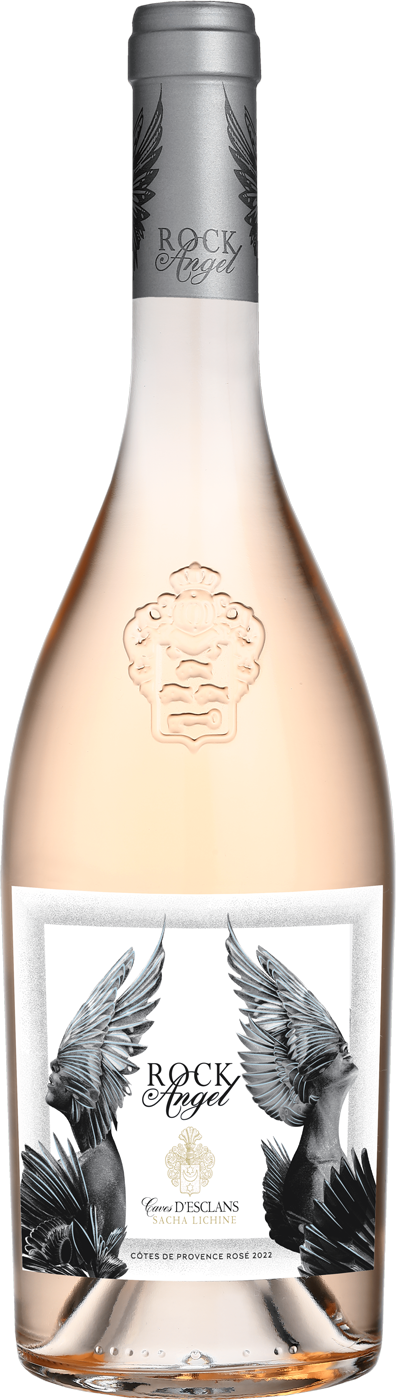
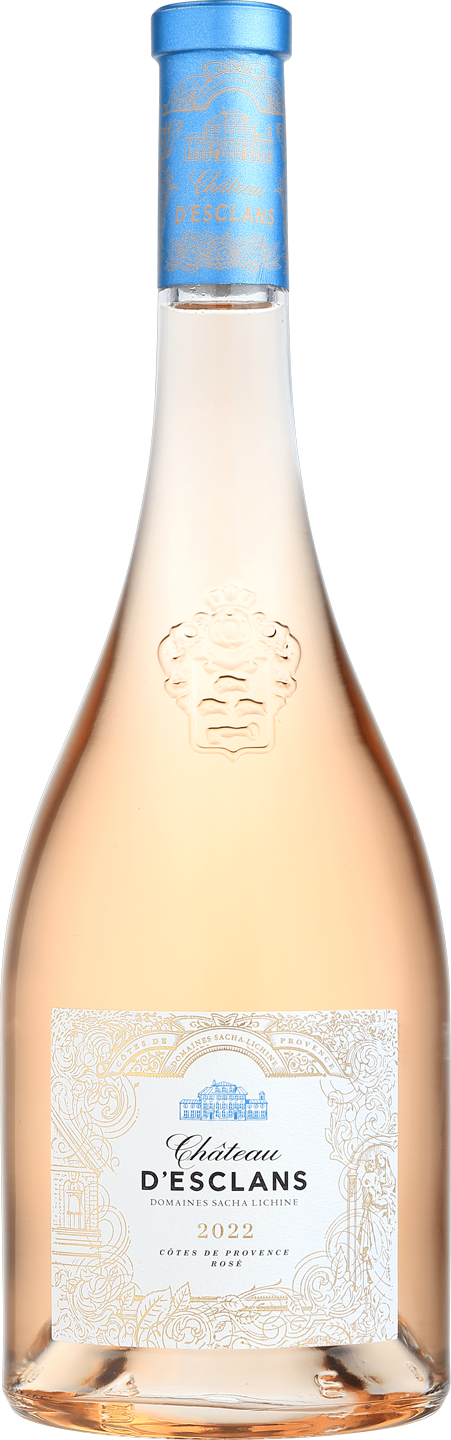
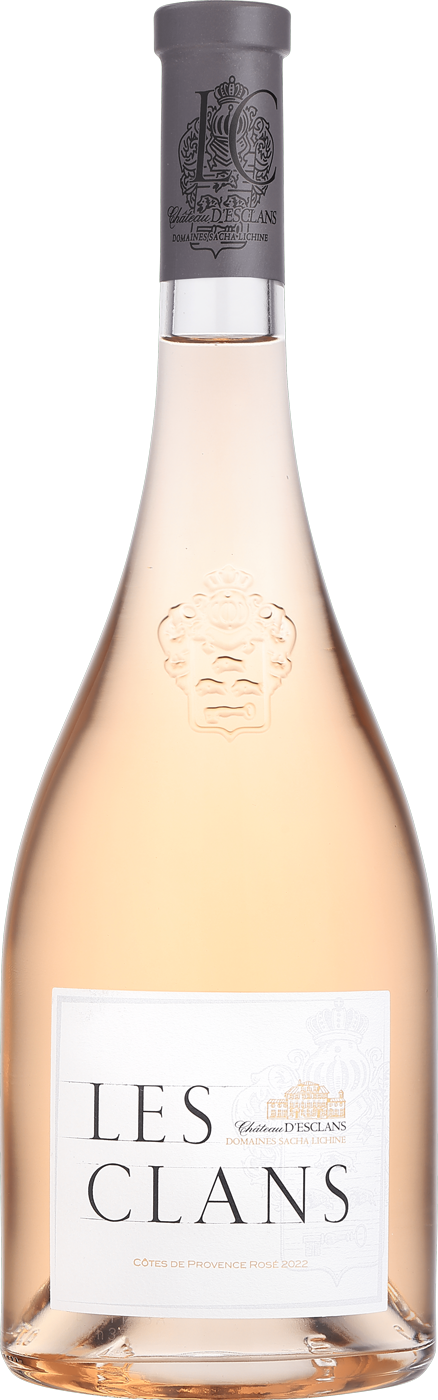
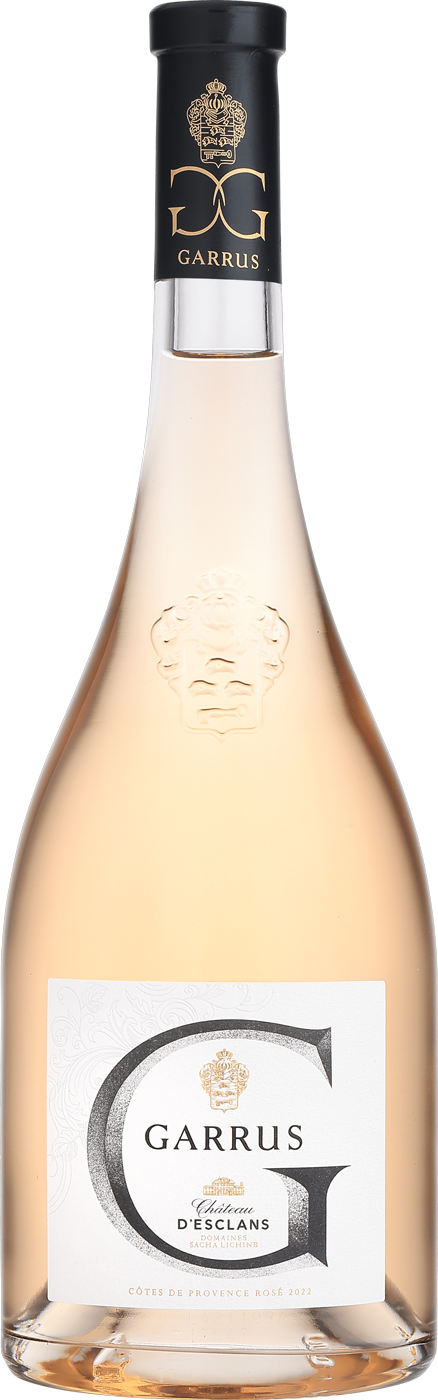
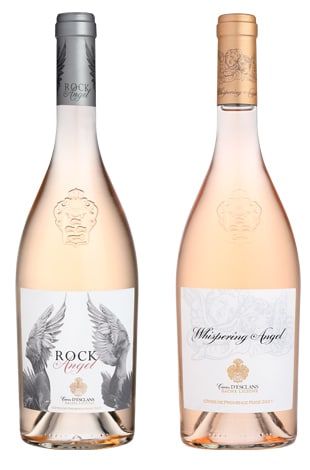
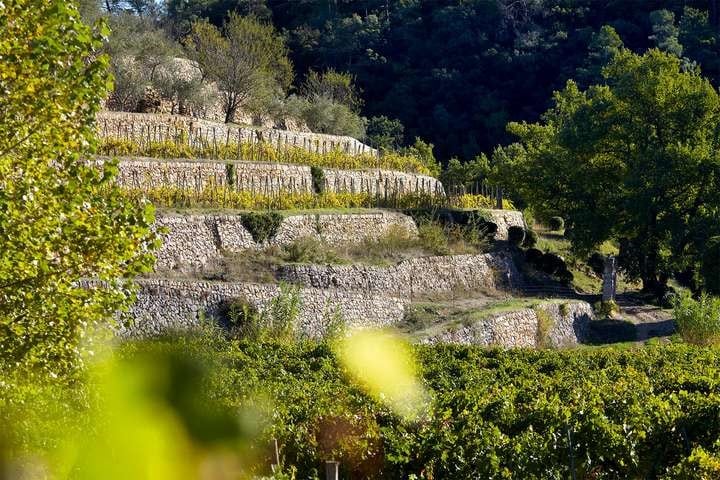
Domaines Ott always made a point of expressing their different locations: Château de Selle on limestone, Clos Mireille on schist and Château Romassan on chalk, sandstone and marl. For them, rosé always was a wine that expressed site, like the best red and white wines. However, it was Lichine who took the idea much further by introducing the idea of an ultra-premium rosé. Garrus, the top wine at Esclans, is made mainly from a four-hectare high-altitude parcel of 100-year-old Grenache vines called La Garenne. Lichine also clearly segmented his offer: while Whispering Angel is vinified completely in stainless steel, the next wine up is Rock Angel. Thirty percent of it is fermented in individually temperature-controlled 600-litre oak barrels, the next step up, Château d’Esclans in 50 percent oak while both Les Clans and Garrus, the two top wines, are fully fermented in oak, with the proportion of new oak higher for Garrus. Everyone can taste the difference, the increasing concentration and textural complexity. Illustrating this so clearly enabled Lichine to price the wines accordingly – making Garrus the world’s first rosé wine retailing at over £100. This has since been eclipsed by Gérard Bertrand’s Clos du Temple rosé from Languedoc launched in 2018 but Garrus paved the way for rosé to enter the fine wine market and to be taken seriously as such. It created a whole new category of ultra-premium rosés, like Domaines Ott’s ceramic-aged Etoile, launched in 2020 and Miraval’s oak-aged Muse. Another sure sign of rosé’s elevation to fine wine status was evident in 2019 when global luxury powerhouse Moët-Hennessy acquired both a 55 percent stake in Château d’Esclans and bought another Provence property dedicated to rosé production, Château Galoupet.
Pale, paler, palest
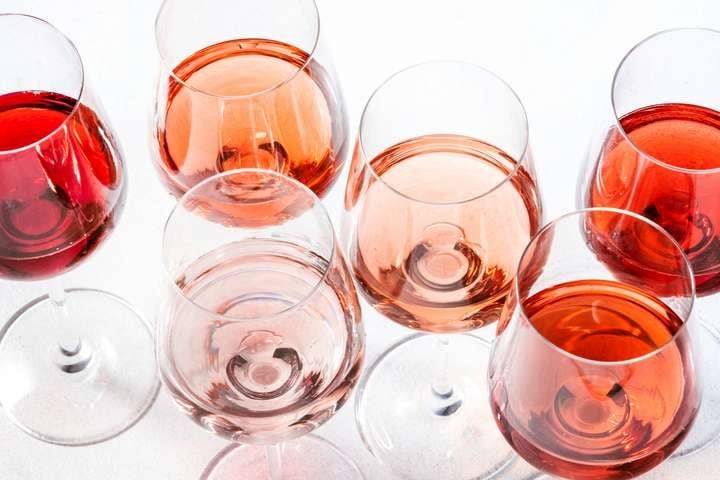
This spectacular reversal of fortunes has not only meant investment in the region but a re-assessment of pink wines across the board. Supermarket shelves now brim in all shades of rosé – even though the vast majority of them aspire to be as pale as the Provençal market leader. Where once existed the misconception that rosé could not be a serious wine, now the idea prevails that a rosé has to be pale in order to be good quality. This could not be more wrong. Rosé wines in every shade of pink – from barely there to lusciously deep – are thus a playground for explorers. Exciting rosés are now made around the world – all we can tell you is to think and drink pink.
Europe’s classic rosés: France
Rosé wines can be made from any red grape. Since rosé wines are made across Europe, from numerous grape varieties, there is a wide spectrum of styles informed by various grape varieties and climates. With 27,219 hectares of vineyards, Provence makes 42 percent of France’s rosé – and 91 percent of Provence production is pink, amounting to more than 150 million bottles.

Provençal rosés are mainly made from Grenache, Mourvèdre, Cinsault and Tibouren but Carignan, Counoise, Cabernet Sauvignon and Syrah are also used, as are white grapes like Clairette, Grenache Blanc and Rolle. The wines are dry and usually pale, capitalising on vivid citrus flavours. Bandol, an appellation within Provence, allows the same grape varieties but is famous for Mourvèdre, a late-ripening, thick-skinned grape, lending structure, spice and ageing potential. Tavel in the southern Rhône is probably France’s most historic and distinct rosé, an appellation dedicated entirely to rosé. Although tiny at just 904 hectares, it was France’s first appellation for rosé wine, given AOC status in 1936. Ernest Hemingway, for instance, was a big fan. Nine grape varieties are permitted and the wines are full-flavoured and deep-coloured, ideal for the robust, southern French flavours of bouillabaisse or grand aioli. If you have only tried pale rosé, you simply must graduate to this gastronomic, complex style. Another Rhône appellation with significant rosé production is Luberon and over in Languedoc, almost a fifth of the wines made are pink – from numerous varieties and across numerous appellations. The Loire valley also has a rosé track record: Sancerre rosé is made from Pinot Noir and is usually delicate, light and bone-dry. Further downstream, other styles take over, at different sweetness levels: Rosé de Loire, Rosé d’Anjou and Cabernet d’Anjou, are variously made from Cabernet Franc, Cabernet Sauvignon, Grolleau, Pineau d’Aunis, Gamay and Pinot Noir.

The world’s love affair with rosé is set to continue. Two reasons are paramount: rosé is no longer seen as just a summer wine and has year-round appeal. It has also moved on from perceptions of frivolousness and is enjoyed across genders. You only need to look at supermarket shelves, wine bars or restaurant tables: they shimmer in all shades of pink.

The South of France Wine Adventure is a Go — Join us!

Mark your calendars. My friend Pablo Valqui, an experienced tour operator, and I have officially partnered up on our first food-and-wine travel adventure, set for the South of France from May 24 through June 4 next year.    

We’ll be spending four days in Provence at the outset — including a day trip up to the gorgeous Ubaye Valley where the Robertsons “settled” 25 years ago — then heading to Languedoc-Roussillon before circling back through the Southern Rhone Valley and wrapping up with two nights in Nice. Highlights follow:

Food and wine:
Welcome dinner in the gorgeous gardens of La Table du Pigonnet in the center of Aix-en-Provence (www.hotelpigonnet.com).

Rosé

2020 Caves d’Esclans Whispering Angel Côtes de Provence

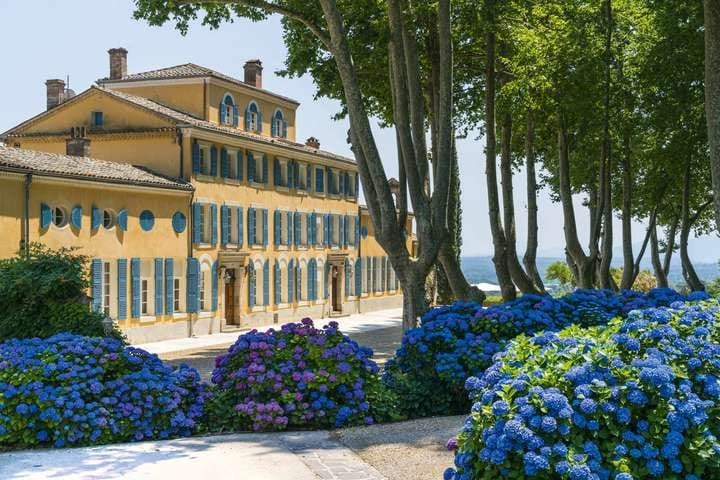
 Sacha Lichine’s famous Provençal pink, a major player in the world’s 21st century rosé renaissance, never disappoints. The critic James Suckling scored this vintage a 92, touting the grenache, cinsault and vermentino blend’s “very pale apricot-pink color (with) delicate aromas of sliced apple, pink grapefruit, peach, cream and stones (that) follow through to a medium body and crisp acidity. Deliciously creamy and smooth.” Note that Suckling also gave the 2021, which you’re probably seeing more of on the shelves these days, a 92. The gorgeous estate, acquired by Lichine in 2006, is northeast of St. Tropez overlooking La Vallée d’Esclans with the Mediterranean coast just visible in the distance. 

The chicest al fresco dining spots in London to book now

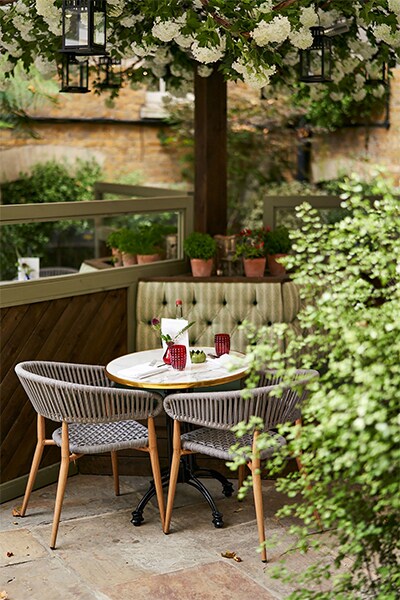
From lavender-trimmed terraces with river views to hidden sun-trap courtyards, we’ve rounded up some of London’s best outdoor spots to secure a place at

One of the few new restaurants to launch in lockdown in 2020, Hugh Stanley’s eponymous venture was the eatery du jour for Chelsea’s smart set, with the likes of the Sangsters, d’Abos and Blandfords clinking glasses of Whispering Angel in its striped upholstered booths all summer long. With a brilliantly British menu by Masterchef: The Professionals alumna Olivia Burt (you must try the sourdough crumpets with shrimp and potted crab) it’s the perfect place to dip your toe back onto the social scene come April.

Everything You Need to Know About Grenache

Grenache shines on its own and plays an important role in some of the greatest blends in the world.

other wine professionals tend to have great respect for it, but among consumers, it is far too often overshadowed by more famous red varieties like Cabernet Sauvignon, Merlot, and Syrah. That shouldn’t be the case: Not only are varietally labeled bottlings of Grenache capable of fantastic complexity in places like California’s Central Coast and Spain’s Campo de Borja and Cariñena regions, but its role in the legendary blends of Châteauneuf-du-Pape and Rioja cannot be overstated.
To make the most of Grenache, and to understand its contributions around the world, check out our guide to Grenache below.


What Is Grenache Wine?

Grenache wine is produced in many countries and in a range of styles. Its most well-known versions are red, but Grenache also plays an important role in rosés, too. In most of the world it is referred to as Grenache or, less frequently, Grenache Noir, but in Spain and other Spanish-speaking wine-producing countries, it’s known as Garnacha. No matter what it’s called, Grenache / Garnacha is the source of excellent red and rosé wine, whether bottled on its own or blended with other grape varieties. Grenache Blanc, or Garnacha Blanca, is the white version of the grape variety, and important in the white wines of Priorat in Spain and the Rhône Valley (and crucial in the Southern Rhône Valley) in France.


Where Does Grenache Wine Come From?

Grenache is most famously employed in France and Spain. In France, it is one of the key grape varieties in the Rhône Valley, and it’s one of the 13 permitted grape varieties in the Southern Rhône’s Châteauneuf-du-Pape, often playing a key role. It also is frequently found in Côtes du Rhône red blends, lending them vivid cherry and scrubby dried herb notes. Not far from the Rhône Valley, in Provence, Grenache is a key component in the region’s renowned rosé wines, too.
In Spain, Garnacha can be widely found in places like Campo de Borja and Cariñena (the region, not the grape of the same name) and as key components in the famous red blends of Rioja (where it joins Tempranillo) and Priorat, where it is often blended with Cariñena (the grape variety also known as Carignan), Cabernet Sauvignon, and more. In California, it does notably well in the Central Coast — producers like Bonny Doon and Sine Qua Non are deeply tied to Grenache – and in Australia it has found a happy home in McLaren Vale. In Sardinia, where it’s called Cannonau, it produces excellent reds, too. The sweet wines of Maury and Banyuls in France’s Roussillon are dominated by Grenache. And given its ability to thrive in warmer climates, it is also no surprise that Israeli producers are finding success with it, too.


Why Should You Drink Grenache Wine?

Wines produced from Grenache have the potential to appeal to a broad range of wine lovers. The Newfound Grenache from Shake Ridge Vineyard in the Sierra Foothills of California, for example, is bright, energetic, and bursts with mouthwatering red berry fruit, whereas the Herman Story “On the Road” Grenache is a far more powerful and decadent expression. Both are excellent, accurate representations of the wide spectrum of aromas, flavors, and textures that Grenache is capable of.

Grenache is also wonderfully food-friendly. With its typical underpinning of spices and scrubby herbs, it works well alongside grilled meats, serves as an admirable partner for fruit-based sauces, and even sings with pizza. Australian GSM blends (Grenache / Syrah / Mourvedre) are classics with barbecue.
On top of that, Grenache is an excellent lens through which to experience the character of the place it was grown. Harvesting Grenache from the famously rock-strewn vineyards of parts of Châteauneuf-du-Pape results in a totally different expression of the variety than when it’s picked from the schist-based land of Spain’s Priorat region. And in a world of generally increasing temperatures, Grenache is proving to be a very good option to handle these often challenging conditions.


What Does Grenache Taste Like?

Grenache tends to be built on a base of vivid cherry and berry fruit. In warmer vintages, those fruit notes can be quite ripe and powerful; it’s not uncommon to see Grenache-based wines with relatively high alcohol levels and often hints of licorice. Grenache also boasts spice notes that work well when blended with Syrah or Tempranillo, as well as dried or scrubby herb characteristics. Red Grenache is best enjoyed at slightly cooler than room temperature; a 20-minute stint in the refrigerator (assuming it’s not being pulled directly from a 55-degree wine cellar) will allow the fruit and spice to really shine.


Five Great Grenache Wines


There are countless great Grenache wines on the market today. These five producers, listed alphabetically, are the perfect place to start.


Château d’Esclans “Whispering Angel” Rosé

This classic rosé incorporates Grenache into the blend, and it has become one of the most reliably popular bottlings from Provence on the American market.

Rosés For Bastille Day

By Lana Bortolot

From lavender-trimmed terraces with river views to hidden sun-trap courtyards, we’ve rounded up some of London’s best outdoor spots to secure a place at

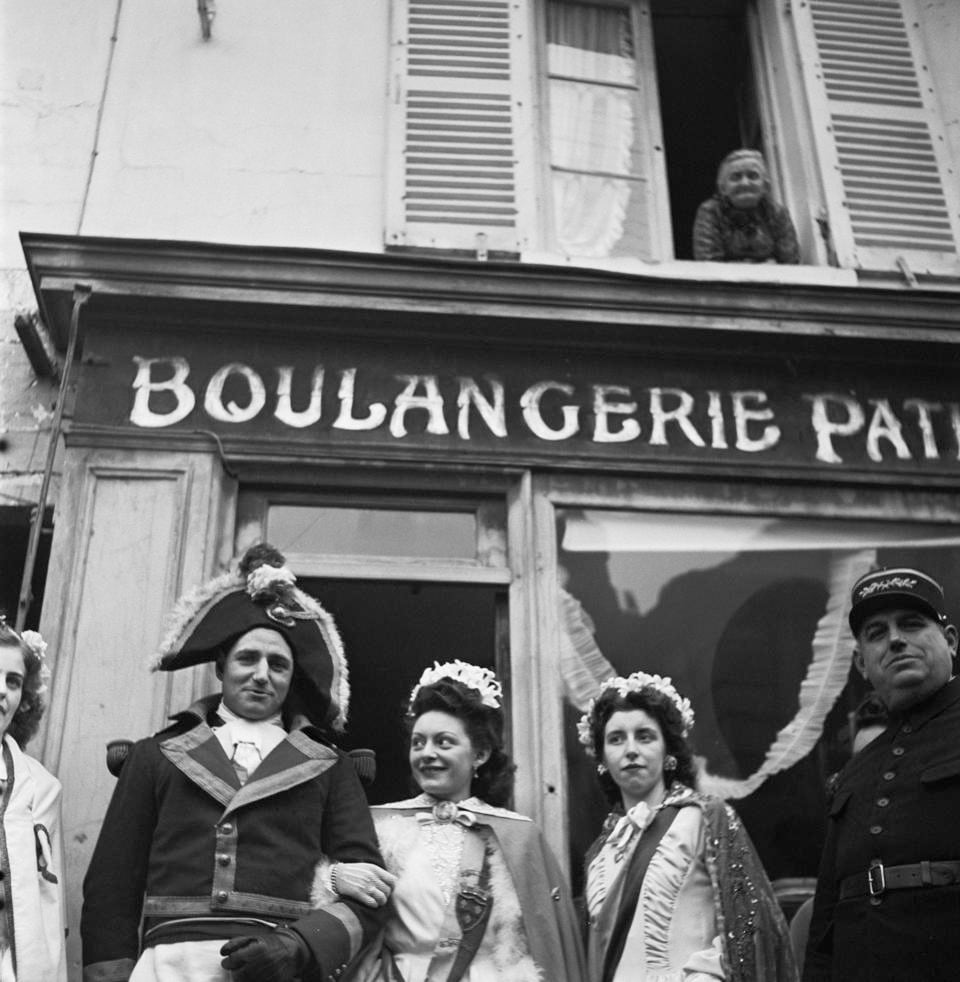
Costumed Parisians celebrate Bastille Day. (Photo by Genevieve Naylor/Corbis via Getty Images)
 CORBIS VIA GETTY IMAGES

Officially known as Fête Nationale Française or French National Day, but more commonly called Bastille Day, July 14 is the anniversary of the 1789 Storming of the Bastille, a major act of the French Revolution. It was an early first victory of the people of Paris against a symbol of the Ancien Régime (“old regime”). Whether you’re French or French in spirit, you can help celebrate France’s freedom with these rosés from the homeland.

Salute! Rosés for the win on Bastille Day.

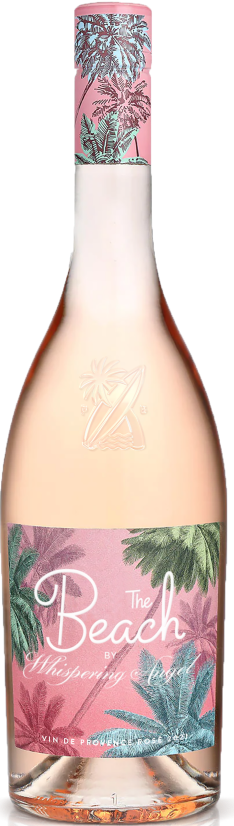
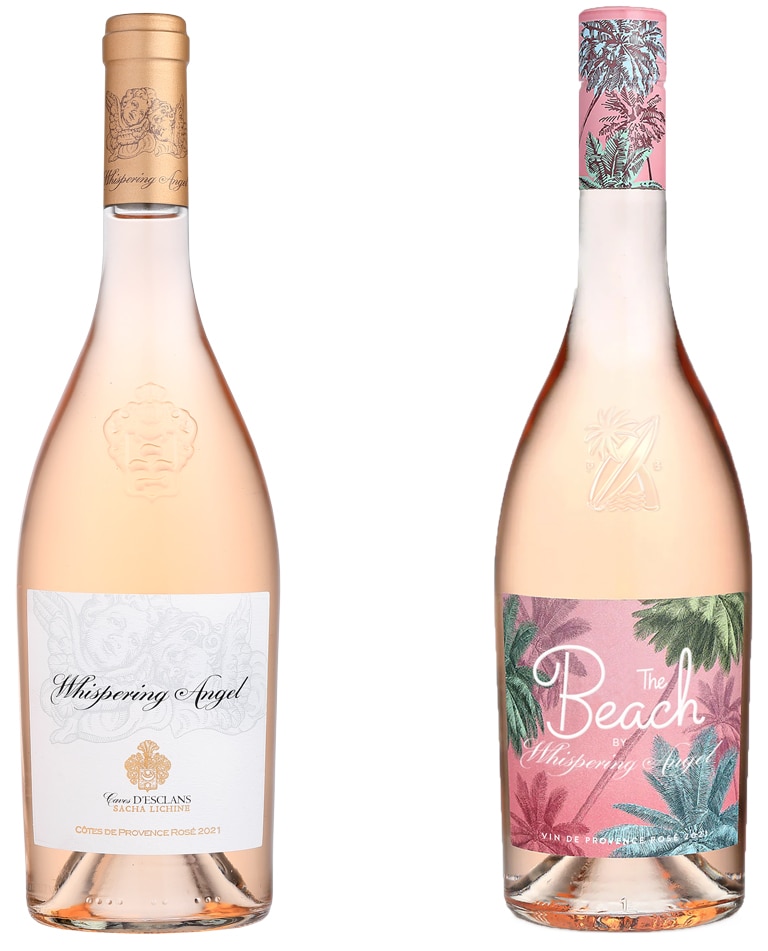
Chateau d’Esclans Whispering Angel, 2021, Cotes de Provence. Lots of tangerine and citric zest on this fresh quaff from a stalwart producer. Hints of freshly picked wild baby strawberries interwoven with a savory edge. The more casual “Beach” label from this producer leads with a savory nose into tart cranberry and raspberry. Bright, zesty and well made with everything in place for a happy summer sip.

Whispering Angel Opens Terrace at Yauatcha City for dim sum pairing

By Libby Zietsman-Brodie

You would have to have been living under a rock not to have heard of Château d’Esclans Whispering Angel and its premium big sister Rock Angel. These rosés have gripped the summer drinking crowd the last couple of years and now they are launching pop-up terraces around the capital for the sunnier months. At Yauatcha City, where the Whispering Angel pop-up resides until 27 September, it was decorated in pink flowers and abuzz with City-types unbuttoning collars.

The evening began with an Angel Spritz, a refreshing fruity blend of the aforementioned wine, Aperol Spritz, apricot liquor and tonic to cool you down.

Whispering Angel is a blend of juicy Grenache, floral Cinsault and Rolle and it is bone dry, meaning it can pair freshly with rich dishes yet not dominate more delicate flavours. Yauatcha, experts in the art of dim sum, have devised a special pairing menu for the terrace and the rosé slipped down a treat with the fragrant, delicate lobster dumpling lightly spiced with ginger and topped with Tobiko caviar.

For those in the mood for something meatier, the soft-shell crab bao is supremely satisfying and the Iberico pork truffle siew long bao is a triumph so good we had to order more.

I could have happily nibbled away for hours as the sun set but was advised not to miss the dessert, a shiny cerise globe of rhubarb compote, gin jelly and juniper mousse. But it was the Sakura and raspberry macaron that won my heart in the end – a skilfully crisp bite of daintily perfumed flavours.

You can pause for a glass, carafe, bottle, magnum or – for those who are going large – even a jeroboam (£256) of this popular rosé.

Other terraces serving the wine include Searcy’s at the Gherkin, Stoke House Terrace in Victoria and Wright Brothers Jetty in Battersea. 

Rock Angel & Whispering Angel

Can only mean one thing…

At long last, summer is here and rosé season is officially upon us – long may it continue.

We hope that this summer will be the most glamorous one yet so the Chateau d’Esclans team has been hard at work to bring a touch of rosé magic to some of the most beautiful locations in the world. From yachts in Monaco, to polo fields in England, to beaches in Miami to rooftops in Paris, our rosés will be found at exclusive events and global hot spots this season. 

As the summer stretches out ahead of us, we are only just getting started and we hope that you’ll join us… and embark on your own rosé journey. 

Giorgio Armani Tennis Classic, The Hurlingham Club, London UK

Henley Royal Regatta, UK

Montreux Jazz Festival, Switzerland

Chateau Carbide, Chicago, US

Bastille Day Celebration and concert in the park, Central Park NYC, US

Whispering Angel Beach Terrace at Hotel Maestral, Montenegro

British Grand Prix, Silverstone UK

Sand Polo, Sandbanks UK

British Open Golf, St Andrews Scotland

The Summer Garden at Le Jardinier, Miami, US

Bouloud Sur Mer, NYC, DC & Palm Beach, US

French Grand Prix, Le Castellet France

Qatar Goodwood, UK

Monaco Yacht Show, Monaco

Les Voiles de Saint Tropez, France

Art Basel – Switzerland 

Rosé on Rodeo at Beverly Wilshire Hotel, Los Angeles, US

The Culinary Garden at the Inn at Hastings Park, Boston, US

Summer at the Surf Lodge, Montauk, US

Hamptons Classic, Bridge Hampton, US

How Rosé Wine Has Given Itself a Rebrand in Recent Years

By PrestigeOnline Thaïland

Once stereotype as a wine associated with bad taste, rosé wine is moving upmarket. Here’s a closer look into the movement.

One out of every ten bottles consumed in the world is a rosé, according to the latest World Rosé Observatory published in 2021. Once stereotyped as a wine associated with bad taste, rosé has moved upmarket to become a third type of wine in its own right, and one that is not only suitable for aperitif time. Serious efforts on the elaboration of various rosé wines as well as on the image of rosé continue to be made, in order to meet consumer expectations and elevate the product.

The Stars Who Bought a Chateau

Over the last few days, the world of wine has been buzzing about rock star legend Jon Bon Jovi’s arrival in France. The “It’s My Life” singer wasn’t in town for a concert but for one of his other passions in life: wine. The event marked the official retail launch of his wine. And his wine is none other than a rosé that the singer has concocted with top winemaker Gérard Bertrand (who also is familiar with the world of music, as he’s been organising an international jazz festival at one of his domains — Château l’Hospitalet — since 2004). In association with the singer’s son, Jesse Bon Jovi, the men developed this blend of grenache, cinsault and mourvèdre that Americans have had a chance to drink since 2018. Wine Spectator, the US magazine of reference in the matter, is full of praise for this rosé, giving it a score of 90 out of 100. The name on the label is Hampton Water, in reference to this region northeast of Long Island in the state of New York, which is the refuge of stars and big money.

Francis Ford Coppola, Jay Z, Carole Bouquet… Stars who buy a chateau, or even participate in the elaboration of wines of high quality (Bouquet’s Sicilian wine produced on the island of Pantelleria is a perfect example), are nothing new in the sector. But these days, celebrities are interested in just one colour of wine, and not just any colour: the one with the most negative associations in the past. Despite the many innovations in the matter and the elevation of the range, rosé is having serious difficulties shedding its image as a low-end wine without depth or complexity. However, there is a common thread between all the celebrity collaborations with rosé-producing estates: they are quality references. For instance Australian singer Kylie Minogue has just renewed her collaboration with Château Sainte-Roseline, a classified cru in Provence, whose cuvée La Chapelle Sainte-Roseline combats stereotypes about rosé with the finesse of its blend and its depth on the palate. The leading example is of course Brad Pitt at Château Miraval, whose purchase alongside his ex-wife Angelina Jolie generated many headlines. Voted best rosé wine in the world by the Wine Spectator, the creation made from grenache, syrah, cinsault and rolle is a gourmet rosé that can be easily paired with a gourmet meal, going beyond the aperitif.

And in fact it’s the niche of Provençal rosé that is drawing celebrities. In 2017, George Lucas acquired Chateau Margüi, located in Chateauvert, which can also boast of elevating store shelves with a gourmet rosé, Bastide de Margüi. French stars are also going all in on rosé. In March, Patrick Bruel launched the first vintage of his Augusta rosé, produced on his estate in Isle-sur-la-Sorgue.

And when stars aren’t making their own rosé, they’re choosing well-known references to post alongside their faces on social media, glass in hand. From Beyoncé to Kendall Jenner, American stars are giving their summers a refreshing, classy boost by uncorking the successful rosé of Château d’Esclans, Whispering Angel. A cuvée created in 2006 by Sacha Lichine, the originator of a concept that Americans love: premium rosé. While some people still associate rosé with cheap, sugary concoctions, the businessman has carved out a whole range of premium rosé wines, the most expensive bottle of which (Garrus), costs a hundred euros. At its launch, the cuvée was labeled as the most expensive rosé in the world. Other Provençal blends have since stolen the title.

Image Crediit: Paul Einerhand/Unsplash

Sparkling Rosé

For the 2022 season, bubbles will be the stars. A brand new taste experience is being proposed by Chandon, a brand of the LVMH group. It has created a blend of eight grape varieties, a formula that is rare in the world of rosé, which usually are composed of three, maybe four, emblematic grape varieties, such as Grenache, Cinsault, Syrah or Mourvèdre. Named Le Chant des Cigales, the cuvée was developed under the direction of former Dom Pérignon cellar master Richard Geoffroy. So we know this is serious! The creation shakes up the codes of sparkling — should we add an ice cube to the glass or not? Something that signals heresy for purists, and which may not help when it comes to stopping the naysayers criticising this type of wine.

And this is not the only serious attempt at a sparkling rosé. At Château Sainte-Roseline too, the focus this year is on the effervescence of a blend built around Grenache, with the addition of Cinsault, Caladoc, Mourvèdre and Rolle. The cuvée, named Allégorie, will be launched on May 25. The beginning of a new trend?

This story is published via AFP Relaxnews.

Everyone’s coming up with rosés for alfresco days ahead

By Martin Moran

So, when exactly does summer start? Is it May 1, June 1 or June 21? All have their supporters, but on a practical level, just maybe it’s the day on which you decide to drink your first alfresco rosé or frosé, in the garden, or on a balcony if you don’t have one. We’ve already had days when the mercury went above 20C, so if you haven’t poured a pink drink yet, you probably will soon.

Rosé, like cider, seems embedded in the Irish consciousness as exclusively a summer drink, no matter how often we wine writers try to convince wine drinkers otherwise. Maybe that’s changing a little bit though as rosé sales jumped from 3 per cent of sales in 2016 to 7 per cent in 2020. Fashions change and where once sales were dominated by sweet “blush” Californian wines, this surge is dominated by pale pinks from Provence, with Whispering Angel leading the charge.