The endless appeal of rosé wine
There’s a good reason that a bottle of rosé seems to disappear so quickly. Great pink wine is delicious, says Nina Caplan. Plus, Jane MacQuitty’s top picks
By Nina Caplan
In the 1950s the great American writer AJ Liebling warned his readership off rosé wines, which, he complained, were popping up like measles all over the globe. For him, there was only one great rose:Tavel. Everything else was cheap run-off, dressed in pink by calculating incompetents who knew their lacklustre wines would sell no other way.
Tavel, just across the Rhone from Chateauneuf-du-Pape, certainly makes superb rosés, but the rest was unfair, even back then. Liebling could have tried the delicious apricot and orange-peel rosé made by Lucien Peyraud of Domaine Tempier, and I wish he had, because Lucien’s wife, Lulu, was a legendary cook who inspired Alice Waters in California and Simon Hopkinson in London — and I would have loved to read Liebling’s account of a meal chez Peyraud. By the time I met Lulu, she was 99 and no longer cooking. But she still knocked back her share of the bottle, told wicked jokes and ultimately lived to 102. If that’s not an advertisement for good rosé, what is?
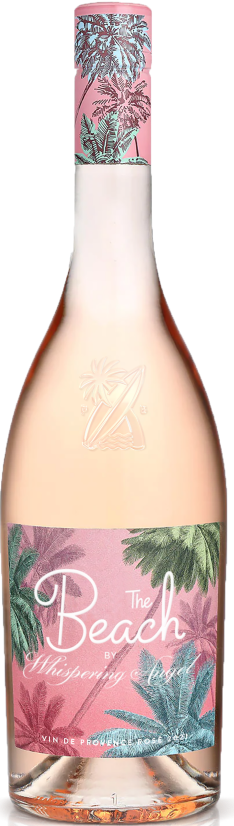
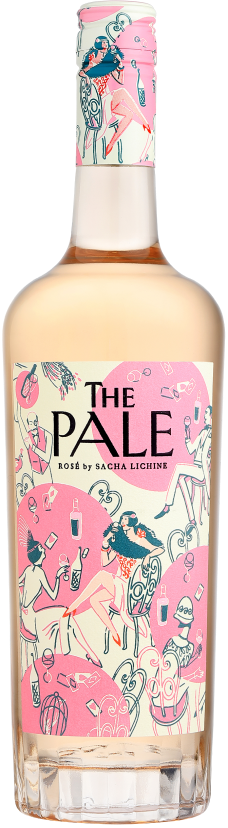
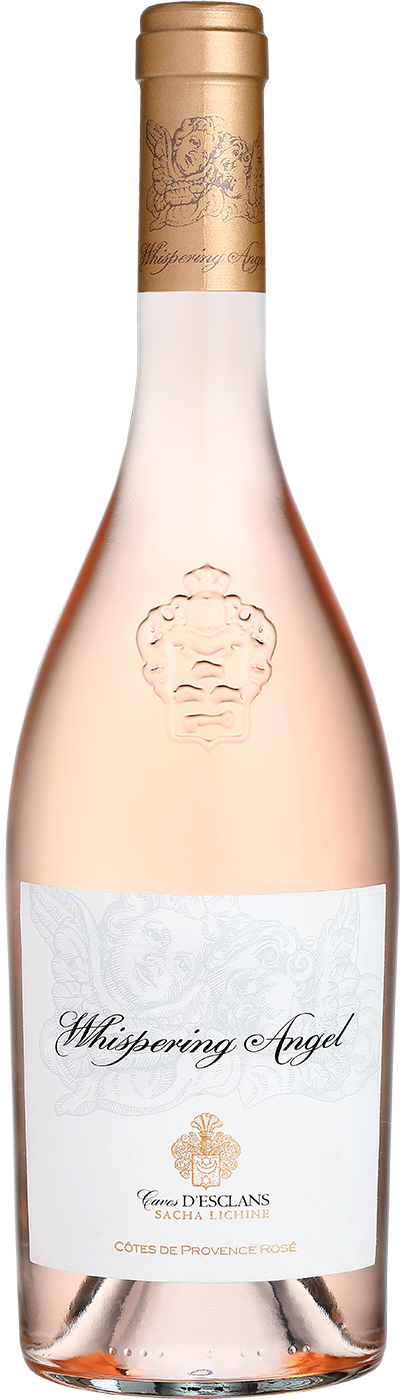
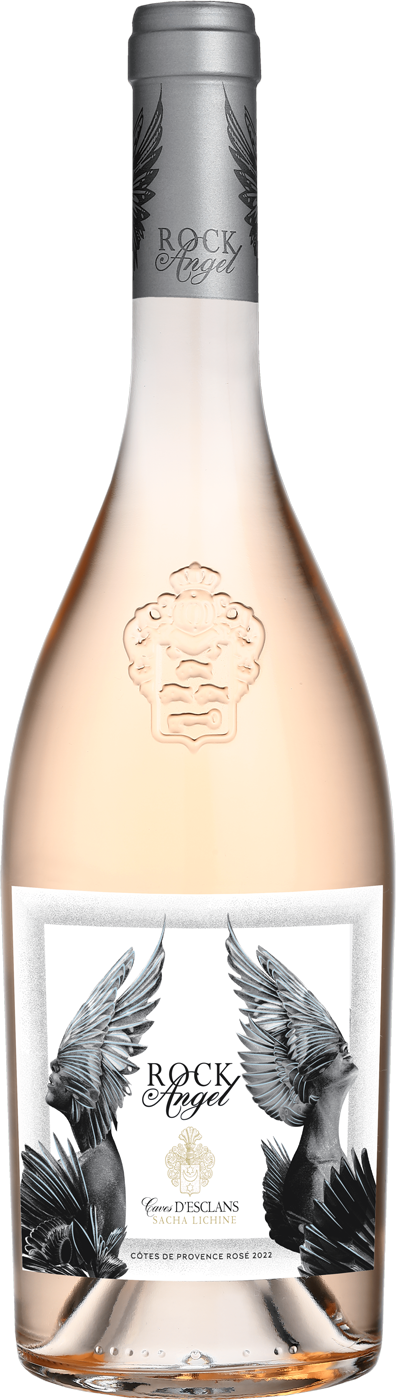
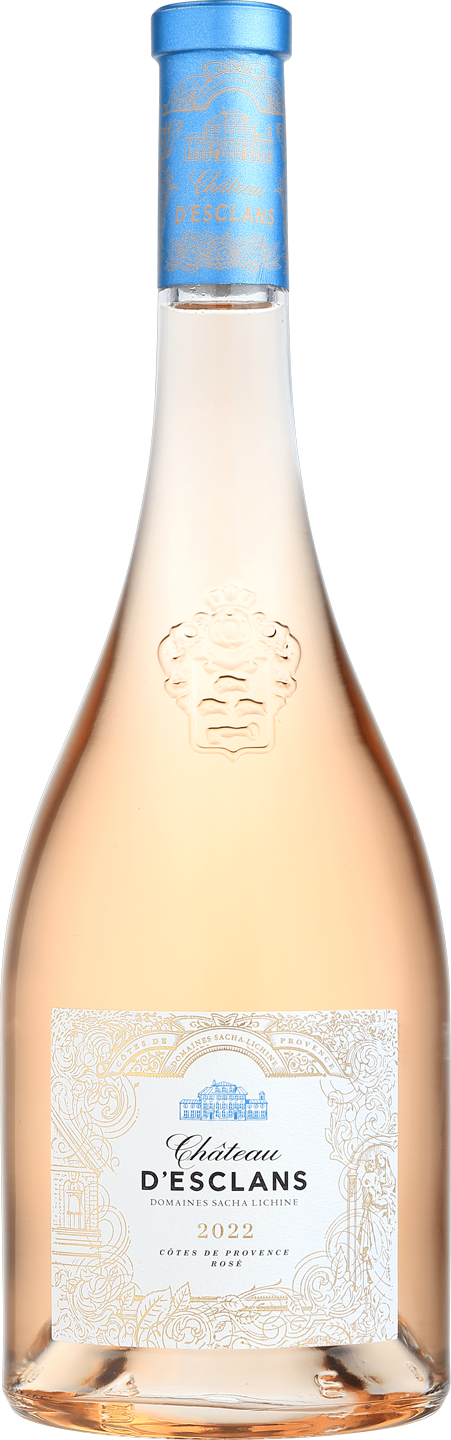
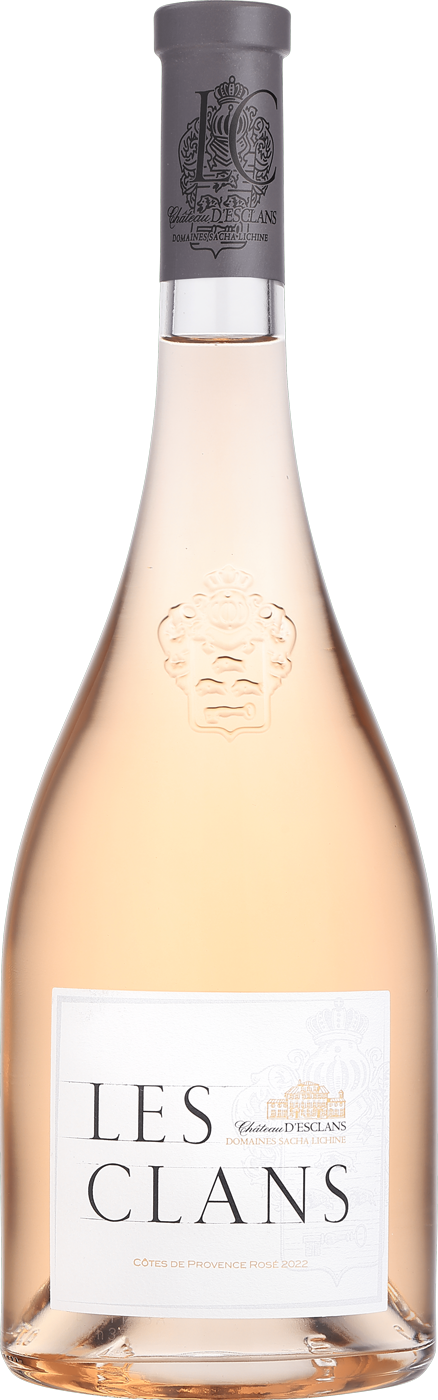
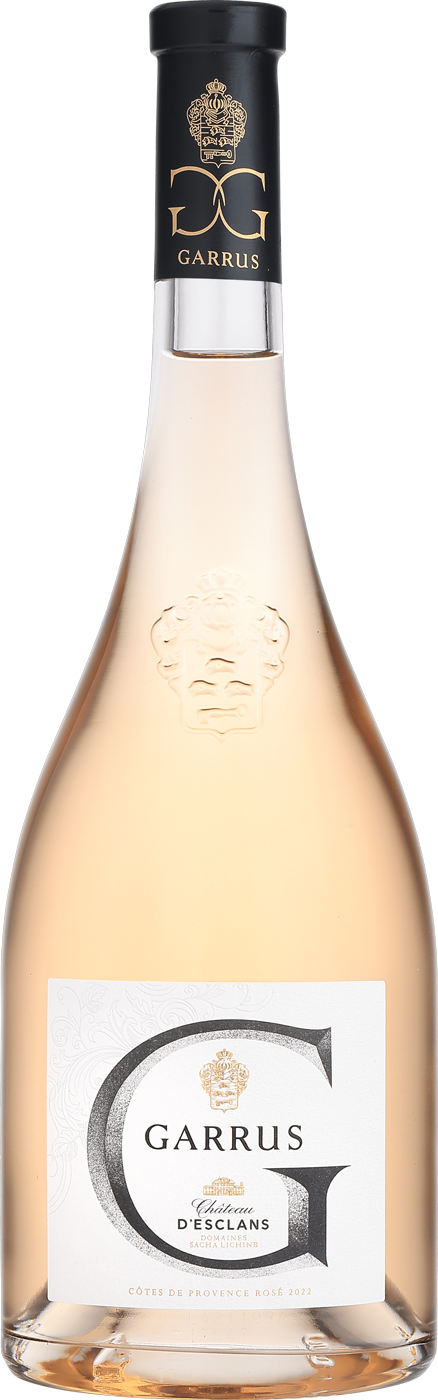
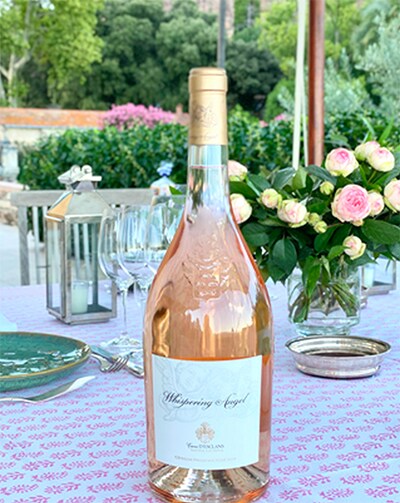
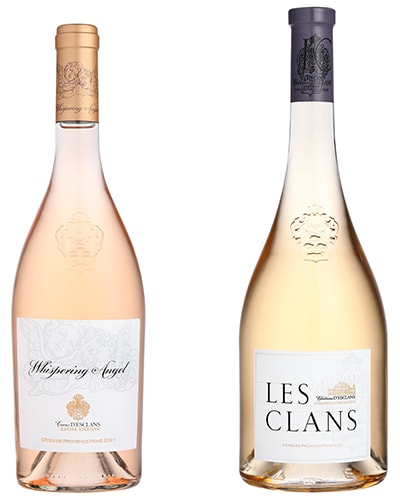
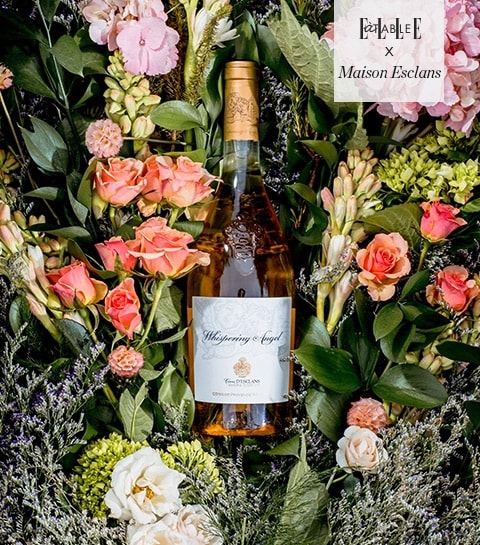
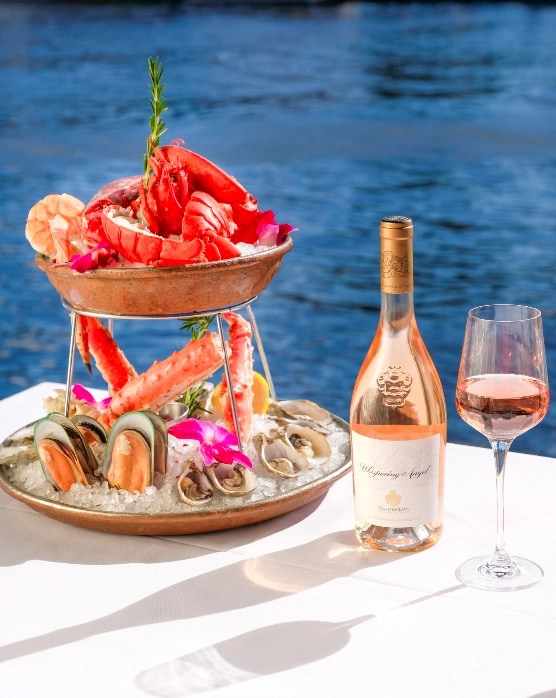
Still, the person who ended the argument over whether rosé could be more than just a pretty drop is Sacha Lichine. Grandson of a Russian aristocrat who fled the revolution and son of the wine writer and Bordeaux entrepreneur Alexis Lichine, Sacha bought a Provencal estate, Chateau d’Esclans, in 2006 and fixed his sights on a serious pink wine. This wasn’t just opportunism. “Rose is the most difficult colour I’ve ever had to make good,” Lichine told me. His Garrus, made principally from a single patch of 100-year-old grenache vines was, for a while, the most expensive rosé in the world (it has since been overtaken by fellow Provencal Gerard Bertrand’s Clos du Temple), while his less rarified Whispering Angel is so globally popular it’s known as “Hamptons water”.
Snobbery about pink is even more rife than prejudice about wine, and rosé is where the two meet. Yet last summer, the bright cerise of Metisse, made (biodynamically, from the classic Languedoc grapes grenache, cinsault and carignan) by the rising star Maxime Magnon, chimed so perfectly with sunset over the Mediterranean that I still feel certain somebody crept on to our holiday balcony and siphoned off half the bottle. That’s the sign of a superlative rosé, to me: not the depth of colour, but the way the wine seems to evaporate in seconds, no matter how you try to linger over it.
Marques de Murrieta’s Primer, glowing orange-pink through its elegant faceted bottle and tasting of sundried red fruit and flowers, did this; so did the ephemeral peaches and lavender of Chene Bleu’s Rhone rosé. Chateau Leoube’s new limited edition, Rosé Singulier, with its tomato tang, evaporated too — even as a magnum. In Beechworth, north of Melbourne, Julian Castagna opened a bottle of his Allegro; I recall just a trace of rosehip and a lingering bitterness — which may simply have been my incredulity at its instant disappearance. The best orange wines are guilty of this, too: anyone who thinks only reds or whites have character should try Camf Pesseroles Brisat, which is rich yet dry and herbaceous, with the tint of autumn leaves. Paler is not automatically better, any more than blonde is: colour is not character, unless you are a painting, and character is what I want in a wine.
Which brings me back to Tavel. The best are deep raspberry yet dry as wit and pulsing with charisma; it’s easy to understand why Liebling loved them, as did Louis XIV, their colour perfect for a monarch known as the Sun King. L’Anglore is probably the most admired (and expensive), but Domaine de la Mordoree’s La Dame Rousse is gorgeous, with a bitter-orange tang and a cherry tint that glows … at least for the brief moments before, like the sunset it resembles, the wine vanishes.
Five of the best spring pinks
By Jane MacQuitty
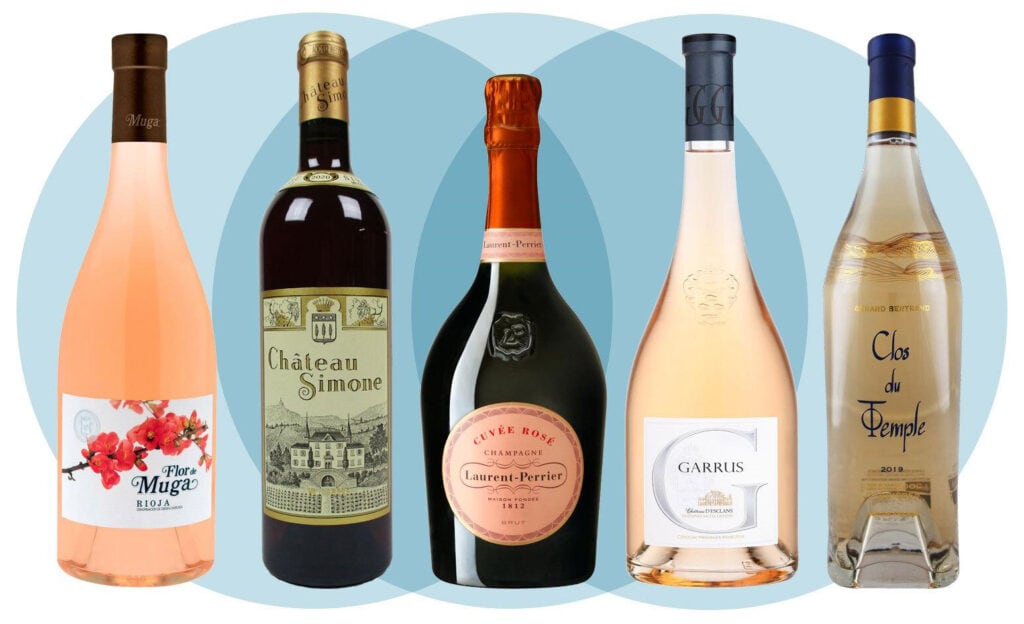
2020 Flor de Muga Rioja Rosado, Spain
Scrumptious smoky, savoury Spanish rosado, made from 70 to 90-year-old garnacha bush vines and aged in French oak.
£19.99, waitrose.com
2020 Chateau Simone, Palette, France
A rare punchy, deep rosy-pink and sweet, morello-cherry Provencal star from a tiny appellation: Palette. £42.50, yapp.co.uk
2018 Château d’Esclans, Garrus, Cotes de Provence Rosé, France
An awesome barrel-fermented and matured 2018, with dreamy wood-smoke and tea-leaf pizzazz. f 100, clos 19.com
2019 Clos du Temple, Languedoc Cabrieres, France
Gerard Bertrand’s delicious minerally, oaky-smoky, orange-peel and vanilla-scented Clos du T is the world’s priciest pink.
£238, hedonism.co.uk