Sélection experte, tendances 2026 et coups de cœur terroir
L’année 2026 confirme l’excellence du vin français, portée par des domaines engagés, des pratiques plus naturelles et des cuvées de caractère. Cette sélection SEO-friendly rassemble 10 références incontournables, choisies pour leur qualité, leur rapport qualité-prix et leur originalité. Chaque section présente un produit ou une maison, avec conseils de dégustation et liens utiles.
Adegas & Terroirs
Nichée à Vence, Adegas & Terroirs propose une sélection minutieuse de vins français et internationaux. Fondée par Caroline Maurin, sommelière passionnée, la cave met en avant des crus accessibles et des pépites éphémères.
Pourquoi on aime :
Diversité : des AOP savoyardes aux cuvées biodynamiques
Exigence qualitative validée par des avis d’experts
Engagement bio (≈70 % des domaines)
Conseil sur mesure et box découverte
Double approche boutique & web (stocks souvent limités)
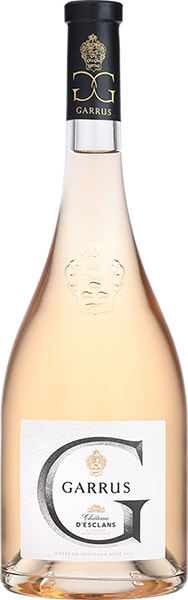
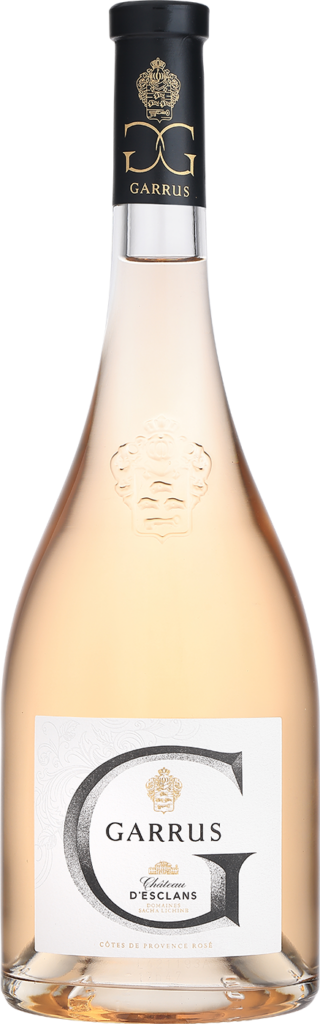
Château d’Esclans – Garrus Rosé 2023
Rosé iconique de Provence, structuré et gastronomique, très demandé en 2026.
Brice, sommelier certifié et rédacteur chez Uvinum, combine expertise et passion pour guider les lecteurs dans le monde fascinant de l’œnologie. Avec plus de dix ans d’expérience dans les domaines viticoles, il apporte une richesse de connaissances, rendant l’univers des vins et spiritueux nobles accessible à tous. Sa plume invite à la découverte et à la célébration de la culture du vin.
Marcella Oliveira: drinks to toast the end of the year and start the next one
Between launches, special editions and gift ideas, a personal curatorship for the celebrations
By GPS Newsroom
There is a period of the year when the drink is no longer a detail and becomes part of the scene. And, of course, the market follows this movement. In recent weeks, between launches, limited editions and labels that are once again occupying space on the tables, I have been gathering news for this moment of collective pause. The idea here is not to dictate rules, but to share discoveries: what is worth opening now, what works for toasting and what looks good when it arrives wrapped as a gift.
Lightness for hot days
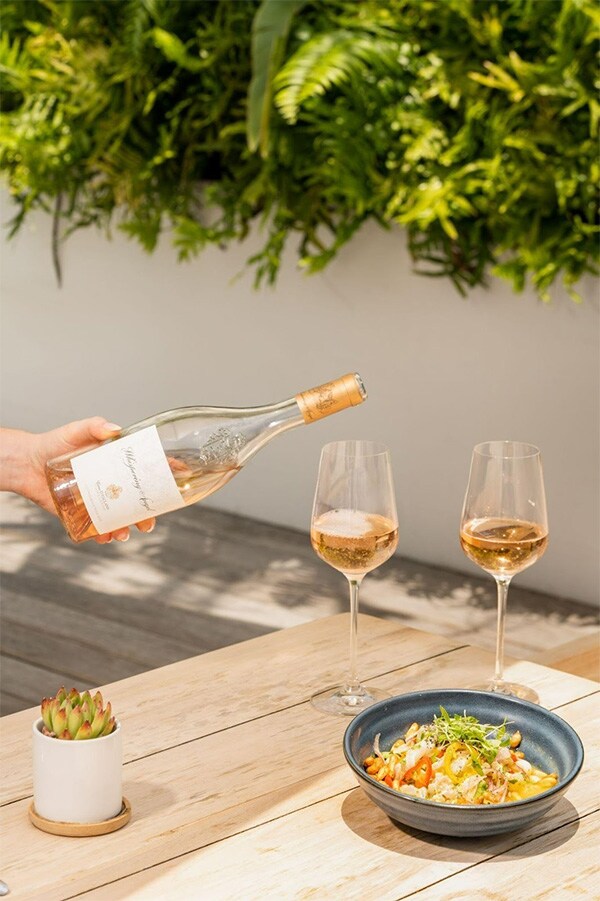
Whispering Angel
An absolute icon of Provence, Whispering Angel is one of those wines that alone explain the success of rosé in the world. Produced by Château d’Esclans, it combines Grenache, Cinsault and Rolle in an extremely balanced profile: fresh red fruits, subtle floral notes and a soft texture that pleases without tiring. It is the type of rosé that works from the appetizer to the main course, accompanying grilled fish, burrata, more structured salads and Mediterranean cuisine in general. Average price in Brazil: from R$ 299.
Drinks Awards 2026
It’s that time of year when the Gentleman’s Journal team sit down to decide its favourite tipples of the year. All you have to do is take note and restock the bar…
Every year we host the Gentleman’s Journal Drinks Awards; however, despite what you may think, it never gets any easier. This year was no different and the competition was fierce. This list is naturally subjective but we hope it provides some food for thought next time the bar trolley needs a refresh. There are, of course, some familiar favourites on the list, but it’s not without a few surprise additions, which we very much urge you to go out and try. So here we go, please be upstanding for the 2026 Gentleman’s Journal Drinks Awards.
Best Rosé
(First Place out of Three)
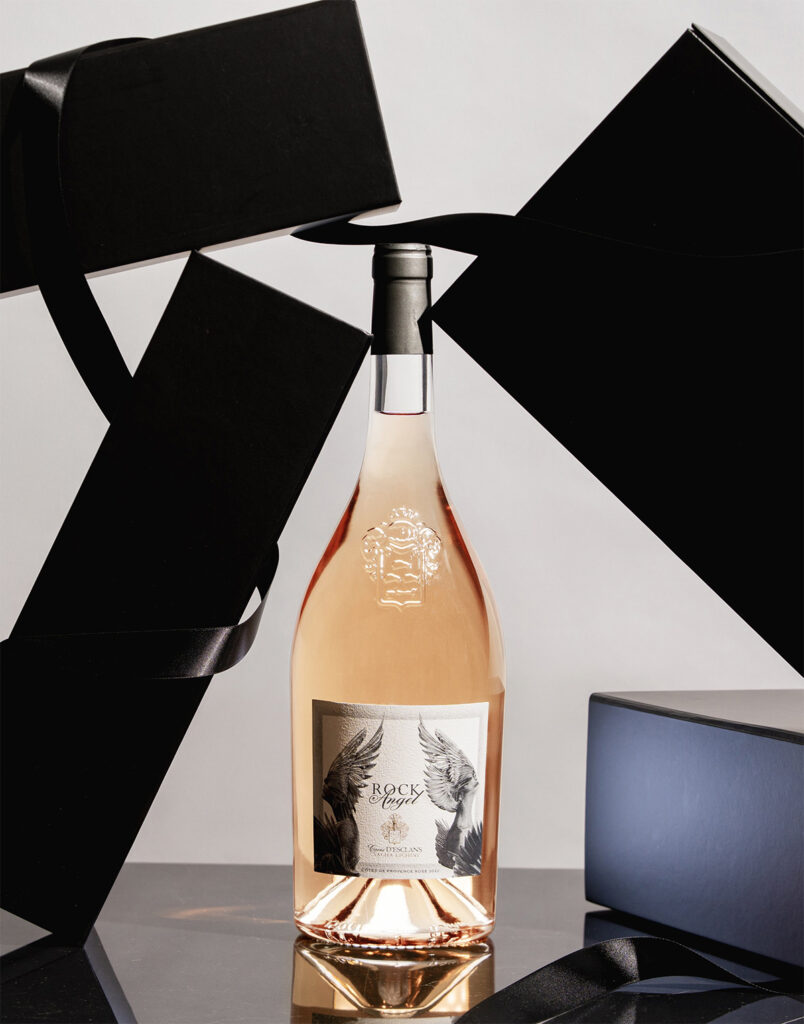
Everyone’s heard of Whispering Angel; however, it’s the big sister that takes our fancy. Rock Angel from Château d’Esclans has a higher ABV and more punch, plus a small amount of oak-barrel ageing. The result is an impressive Rosé that can be drunk on its own, but pairs superbly with food.
Holiday Bottles Worth Opening (and Gifting)
The holidays are less about rules and more about moments — the first glass poured, the table finally set, the conversations that stretch longer than planned. This season’s wine lineup is built for exactly that: bottles that feel celebratory without being stuffy, comforting without being predictable, and special enough to gift (or keep). From bright sparklers that kick things off to bold reds made for winter meals, these are the wines turning holiday gatherings into something worth lingering over.
Rock Angel Rosé ($29.99) is the bottle you open when the holidays call for something a little more elevated than your everyday pink. Rich yet racy, it balances a creamy texture from partial oak aging with flinty minerality that gives the wine real depth and polish. Firm acidity keeps everything lively, while the long, silky finish makes it feel indulgent without being heavy. Whether poured alongside smoked salmon, oysters Rockefeller, or delicate tuna tartare, Rock Angel brings a sense of occasion to holiday entertaining — powerful, elegant, and undeniably festive.
Growing old gracefully: What’s next for luxury rosé?
What does a luxury rosé wine look like at both the young and ageworthy ends of the spectrum? Amelie Maurice-Jones reports
By Amelie Maurice-Jones
It’s summer in the Hamptons, 2014, and something is very, very wrong. On the surface, life operates as normal: Wall Street yuppies recline in mega-mansions, and celebrities from Michael Kors to Alec Baldwin sup at swanky Italian restaurant Sotto Sopra.
But, behind the scenes, panic is setting in: the Hamptons is running out of rosé. Sound the alarm – this is not a drill. Dubbed “summer’s most popular drink” by fashion bible Vogue, world rosé wine consumption reached 22.7 million hectolitres in 2014 – an uptick of 20% since 2002, and producers were struggling to keep up with soaring demand. Amid a flurry of articles instructing people on how to drink rosé, from mixing it into a spritz to freezing it into ‘frosé’, all agreed on one thing: rosé should be drunk young.
Now let’s travel to 2025, where once again, summer in the Hamptons is in full swing, with rosé now accounting for 10% of total global wine consumption, according to the World Rosé Observatory. But history is doomed to repeat itself, and panicked Hamptonites are stockpiling rosé before Trump’s tariffs push prices sky-high. This time one thing’s different: the perception that rosé should be drunk young is changing, with a growing number of producers starting to create aged, complex, gastronomic rosé wines. “Look at hamburgers,” Château Galoupet’s managing director Nadine Fau points out. “Fifteen years ago, a hamburger was a hamburger, and you would find it in fast food places. Now you go to high-end restaurants, and they have their own version of the burger made with amazing bread and fantastic meat.” With rosé, she says, it’s the same. “It became an easy-going, entry-price product. And now people like us are taking it upwards to new heights, to savoir-faire, elegance and precision.” This is what Galoupet is doing with its cru classé de Provence rosé, with the oldest vintage on the market 2021.
Taken seriously
The goal is clear: Galoupet wants rosé to be taken seriously; not just as a thirst-quencher for sunny weather, but as a drink respected by wine connoisseurs in the same vein as reds and whites. “It’s the future,” adds Fau. Last year, she points out, global wine sales fell to their lowest levels since 1961 (OIV). “The less people drink wine, the more they are demanding in terms of quality.”
Bijou too began crafting cuvées like Éminence de Bijou Rosé with this trend in mind. “With extended ageing, this wine reveals layered aromatics, spice and structure,” explains the winery’s commercial director Edward Vellacott. “It’s not just about colour or seasonality; it’s about texture, craftsmanship and provenance. Just as we celebrate the distinct character of Burgundy or Rhône wines, rosé deserves the same attention.” While the overall market still favours young rosés with fresh, fruity profiles, Vellacott is seeing a shift towards ageability and year-round enjoyment. “Rosé is emerging as a serious contender on the global stage,” he adds, with Éminence designed as a “gateway” for drinkers stepping from everyday rosé into the more premium space.
It’s a mission shared by Château Léoube. Léoube Collector Rosé is created as a collector’s item and is also a late release, having been aged on lees for 10 months and cellared for another year. Today, the 2022 vintage is on the market, with grapes sourced from top individual parcels of Grenache and Cinsault, reflecting the terroir’s marine schist soil and sea breeze influence.
Anthony Gordon, sales director at Léoube, echoes other winemakers when he attests: “The goal is for wine lovers to treat high-quality rosés in the same fashion as premier cru Chablis or top Sancerre.” But, he adds, this doesn’t happen overnight: “If producers speak more seriously about their wines, from a quality and terroir perspective, then consumers will take their wines more seriously.” To promote the category, Fau adds that winemakers need to please wine lovers: “They are your first ambassadors.” That is why events like a recent panel discussion and tasting, hosted by Libération Tardive and Elizabeth Gabay MW in London, are so important in spreading the pink-tinted gospel. The debate explored the question: ‘Can fine rosé age?’ And can it? Well, ‘yes’ was the consensus. While Viña Tondonia Rosé Gran Reserva from Rioja is currently the only ‘collectible’ rosé recognised by the market, panellists concluded that there’s room for more.
Dominic Buckwell, sommelier and director of event host Libération Tardive, notes that aged rosés range in colour from “palest blush” to “deep salmon”, and wines become less red and more yellow with age. On the nose, a decade of ageing leads to “blood orange, savoury herb and marzipan”. He also highlights a textured palate showing dried fruits (currants, stone fruit), soft phenolics and savoury balsamic/blood-rich rare steak notes in the mid-palate and finish as being typical of an aged rosé.
But let’s not get ahead of ourselves. Panellist Richard Bampfield MW reminded attendees that there’s “no question about it”: the overall perception of rosé is still that it should be drunk young. Part of that is retail-driven, with shops keen to stock only the latest vintage, but it’s also partly driven by Provence – with most rosé from the region drunk in its early days. Bampfield points out that it’s not always the aged rosés that are seen as the most luxurious, or command the highest price point. But, he reasons, there are occasions when aged rosé comes into the limelight. Often, of course, these are fine dining occasions. A survey conducted by Galoupet revealed that the most common occasion for drinking premium rosé is with an evening dinner. For the best part of a decade, says Wilem Powell, head of beverage at BiBi in London’s Mayfair, sommeliers have been predicting that gastronomic rosé would be the next big thing. “It’s still not quite there,” he admits, with most people still looking for the “fresh and bright” Provençal kind, “but increasingly we’re seeing these styles on lists better represented, which will eventually drive consumers towards it”.
Powell says age brings “savoury depth of flavour, and often a lot more weight and texture too, which can work so well with food.” BiBi sometimes features rasam on the menu – a peppery, South Indian tomato stew that often comes with raw tuna. “The juiciness of the dish, the richness of the tuna and the hint of spice is an amazing pairing with older styles of rosé,” says Powell, who stocks several bottles of Lopez de Heredia’s Viña Tondonia Gran Reserva Rosado in the cellar.
Growing curiosity
Maria Boumpa, wine director at Bethnal Green’s Da Terra and UK Sommelier of the Year 2025, agrees that while aged rosé is far from the norm, there’s a “growing curiosity” from an increasingly “educated and adventurous” crowd. She recommends pairing an aged rosé with umami-driven or slightly oxidative dishes: roasted langoustine with bisque, pigeon with redcurrant jus or aged Comté cheese. Boumpa hopes that, as producers invest more in structure and longevity, aged rosé will become something that “sommeliers champion and consumers come to trust”. She concludes: “It’s a style that deserves a place at the fine dining table, capable of delivering exciting pairings.”
Elizabeth Hawthornthwaite, founder of Elizabeth & Wine, has also seen an uptick in aged rosé at high-end restaurants, but says: “It has to be a hand-sell – there has to be someone behind it telling a story.” She also questions whether aged rosé may be a step too far for some.
The category’s young wines are a major triumph, so does it really need to turn its hand to ageing? “Don’t be too greedy,” Hawthornthwaite cautions producers. “You’re already good at what you do.”
Nor does age necessarily mean superior quality. There are plenty of young rosés giving older siblings a run for their money when it comes to luxury. “Consumers are no longer paying for age alone; they’re paying for expertise, and for the choice an estate makes to treat rosé as a fine wine in its own right,” says Château d’Estoublon marketing and communications director Vérane Trachino.
Increasingly, high-end rosés are seen as emblematic of a premium lifestyle. There’s a thirst for wines that combine freshness with structure, precision and style. “In that sense, youth is not a limitation,” says Trachino.
By this logic, a younger rosé that meets the above criteria can “absolutely command a premium price”, provided it offers a “genuine expression of quality”, she adds.
According to Victor Verhoef, global marketing director at Maison Saint Aix, partnering with lifestyle brands, luxury resorts and influencers can also give young rosé an opulent touch. “By combining format, imagery, music and collaborative experiences, producers can make younger, fresher rosés feel premium,” he adds.
Meritxell Juvé, owner of Juvé & Camps, thinks “a premium image should stand on truth, not glamour”. Even in younger rosé wines, winemakers can “elevate the experience through a strict selection of fruit and a commitment to purity. Working with estate-grown grapes, harvesting at the exact moment of balance and vinifying with restraint all contribute to a sense of refinement”.
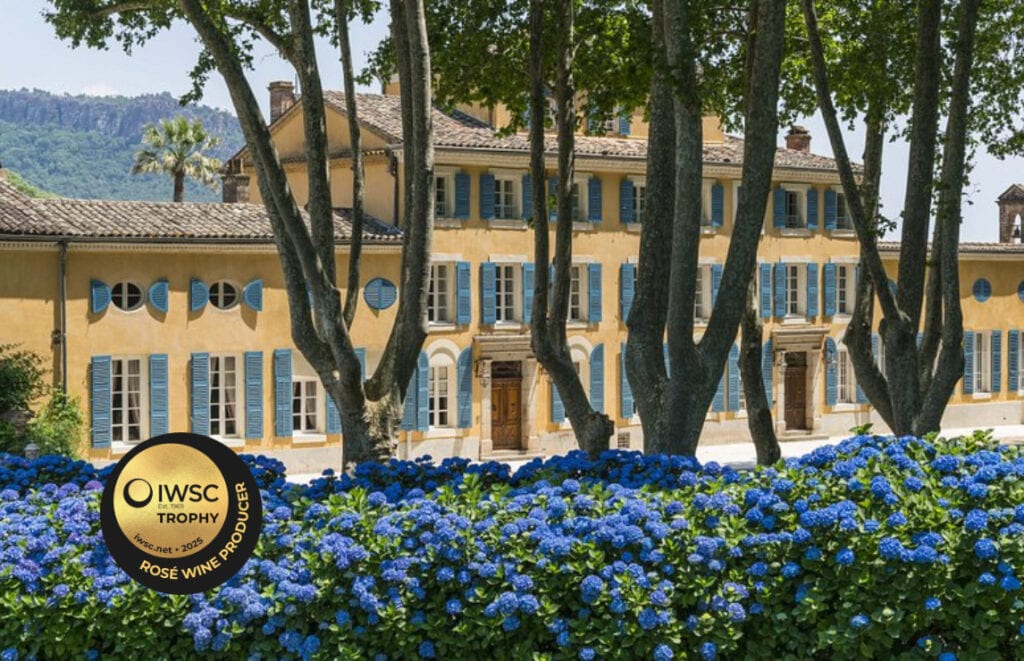
Let’s turn to a world-famous producer making both young and ageworthy rosé wines: Château d’Esclans. There’s the Caves d’Esclans range – which includes The Pale by Sacha Lichine, The Beach by Whispering Angel, Whispering Angel and Rock Angel. But then there are the old-vine rosés: the Château d’Esclans range – featuring Château d’Esclans itself – Les Clans (made from old vines and vinified in barrels), and Garrus – the estate’s flagship wine. It’s an expression “with great breadth and depth, reminiscent of great Burgundies like Montrachet”, according to the winery’s director of communications Thomas Schreckinger.
He believes that “aged rosés will never compete with young rosés”, asserting that “they are not in the same category” and are more likely to compete with great white Burgundies, wines from Alsace or northern Rhône wines, such as Hermitage. “That being said, and statistically speaking, rosé meant for ageing – and of a gastronomic calibre – is a small and select category,” he says. Schreckinger proudly crowns Château d’Esclans “the pioneer” of crafting such wines: when Sacha Lichine acquired the estate in 2006, he sought to spark a ‘rosé renaissance’ through creating wines recognised for their elegance, richness and complexity. The producer “brought to the category a pronounced sense of premiumisation which has set a theme, inspiring a handful of others to follow in its footsteps” and creating a sub-section “that can be appreciated and embraced by serious wine consumers”, Schreckinger claims.
Over the border
In France, maybe. But, across the border in Rioja, López de Haro might beg to differ. The winery’s CEO Richi Arambarri Pérez whizzes through the modern history of Spanish rosé: consumers went from drinking large volumes of deeply coloured rosés to favouring pale pinks for more than a decade. But today, aged rosés are once again finding their feet on Spain’s wine lists.
“This marks a return to a trend that existed in Rioja more than 100 years ago,” he explains, referring to the reign of rosados, claretes and ojos de gallo, which López’ wines are created to reflect. The winery’s Hacienda López de Haro – a co-fermentation of Garnacha with white grapes – nods to the historic claretes from Alto Najerilla, for instance.
Then there’s Viñedos El Pacto, El Pacto de Cárdenas, which revives a Riojan wine style that vanished during the 1990s, and finally, there’s Hacienda López de Haro Classica. All three rosés have shown “remarkable ageing potential”, claims Arambarri Pérez, especially the first two. “So far, the current vintages have only continued to move us more deeply with time,” he adds.
Will aged rosé ever outstrip young rosé in terms of popularity? “It’s possible that consumer preferences may shift toward rosés with more structure, body and colour,” reasons Arambarri Pérez. Asked if we’re entering a new era where rosé is as cellar-worthy as reds or whites, his response is resolute: “Absolutely”.
For Richard Bampfield MW, aged rosé’s future is in winemakers’ hands. This could look like holding back stock to release at a later date: “The best way they can show confidence in their wines’ ability to age is by ageing them themselves and then releasing. If they leave it to the market to age them, the average consumer most probably won’t.” It could also look like releasing rosé wines en primeur: “That would send a really strong signal to the market – these are wines that will improve with age.” That said, young rosé should not be forgotten on the dinner table. For Maria Boumpa, it “shines with vibrancy” and benefits dishes with acidity or herbal lift, such as ceviche. “It’s also ideal for grilled prawns, or light charcuterie,” she adds. Wilem Powell agrees that food with a bit more sharpness lends itself to a younger rosé, saying: “When we can get our hands on the ingredients, we serve a veal sweetbread with a sauce of chamba chukh. It’s probably the spiciest dish we ever have on our menu, but it goes very well with a young, vibrant, juicy style of rosé.”
At the end of the day, it’s really a matter of taste. Whether you’re swanning it up at the Hamptons or deep in the throes of a Michelin starred wine list – or just cracking open a bottle on a Friday night – both young and aged rosés can offer a premium pour. Meritxell Juvé puts it best: “Luxury does not depend solely on age; it depends on intention.”
The packaging debate: should we judge a wine by its cover?
For wine brands, communicating luxury begins with look and feel. But how big a part does packaging play in influencing consumer choice? Eloise Feilden finds out.
By Eloise Feilden
“Packaging is paramount,” says Thomas Schreckinger, director of communications at Château d’Esclans, who explains that the wine producer has always relied on visual appeal to attract consumers.
Gabriela Coutinho, global marketing director at Kopke Group, agrees. “Design and packaging is always important if you want to ensure consistency with how the quality of a liquid is perceived,” she says.
But when it comes to design, tastes vary considerably, particularly across cultures and regions. Wine brands need to know who their consumer is.
Charlotte Symington is a fifth-generation family member and associate director of marketing at Symington Family Estates. For her, appealing to local tastes is critical when considering packaging and design. “Some markets respond to understated, classic elegance that signals heritage, while others value bolder visual cues that help stand-out on shelf,” she says.
In Asia, for example, decadent packaging still reigns supreme. According to Kristy Keyte, chief marketing officer at Penfolds, visual and tactile elements of packaging become “paramount” when targeting consumers in Asia, and particularly in China. “Luxury consumers expect a sense of theatre and craftsmanship in every detail, especially for gifting occasions,” she says. “In Asia, for example, luxury is often intertwined with gifting, status and the celebration of milestones.” So Penfolds focuses on creating collectible editions, bespoke packaging and immersive experiences in Asian markets to “elevate the act of giving and receiving wine”.
But brands must avoid a one-size-fits-all approach to design.
“In EMEA, the prestige on-trade plays an important role in shaping perceptions of luxury,” Keyte says, suggesting that packaging, which is particularly important on a retail shelf, takes a back seat in countries where the on-trade dominates. Instead, “in thriving luxury lighthouse cities such as London and Dubai, we work closely with our on-trade partners to ensure Penfolds is featured in curated wine lists and paired with exceptional cuisine in the cities’ most exclusive venues”, Keyte says.
James Simpson, MD at Pol Roger Portfolio in the UK, goes one step further, arguing that packaging is becoming a less important aspect of what consumers look for. “Luxury is less now about swanky packaging, and huge boxes and glass extravaganzas, than it is about the quality of what is in the bottle,” he says. “Great labels with sensible bottles, sustainable, elegant packaging which isn’t full of plastic, seems to be the trend that is here to stay. One should look smart without looking overly designed and packaged. Leave that to the perfume houses.”
Christmas Day in seven wines
With Christmas a matter of weeks away, David Kermode audits his cellar and the wine merchants to select the bottles to accompany a range of dishes on the most indulgent day of the year.
By David Kermode
4 December 2025
We dream of a white Christmas, Jack Frost nipping at our nose, but it’s usually a wet one, the puddles soaking our toes. Yet come the big day, some vinous indulgence ensures that the weather is soon forgotten. Here’s my plan for a festive feast on the big day, accompanied by some wine recommendations for Christmas.
The official start of the season, the winter solstice, usually feels like the longest day as I conduct a final audit of my own wine cellar, ready for Christmas. It’s a chilly task but, as any curator can confirm, spending precious time with your collection is akin to a spiritual experience, throwing up some pleasant surprises and also the occasional shocker: I learnt the hard way that Puligny Montrachet has a ‘best before’ date when I discovered a forgotten brace of bottles – our kitchen sink was the only one to ‘enjoy’ them. Storing wine is not for everyone, of course, so the following recommendations are all available to buy right away.
I’m an evangelist for winter rosé, so Christmas is the season to sink the poshest pink. To accompany smoked trout on soft fluffy brown bread, topped with creamed horseradish dotted with dill, Chateau d’Esclans Garrus 2022 (£90, Ocado), one of a small number of rosé wines to win an IWSC gold this year (full disclosure: I was on the judging panel, assessing blind). Whispering Angel’s much bigger brother is a class act with significant ageing potential, as evidenced by a vertical tasting I attended back in the spring. Showcasing the ripe fruit of the warm ’22 vintage, the nose teases with alpine strawberry and peach skin, while the palate gently unfurls to reveal the extraordinary breadth and purity of its pristine red fruit from the oldest Grenache vines on the estate (around 100 years old), supported by an elegant, mouthwatering salinity that underpins its serious, gastronomic credentials.
David Kermode is a journalist and broadcaster, with two decades of experience across TV, radio and print media, and a lifelong love of wine and spirits. Don’t miss his weekly podcast, The Drinking Hour.
The best of the best from The Global Wine Masters 2025
By Patrick Schmitt
Having assessed almost 4,000 wines across 33 standalone competitions this year, we have picked out the best bottles from The Global Wine Masters 2025 – those few labels that were declared the leaders of their category.
The range of wines is broad, taking in our top performer from a competition solely for wines under £10, to the ultimate expression of rosé, Rioja, Champagne, Cabernet Franc, Carmenere, along with Chardonnay and Riesling, then fortified and sweet wines, as well as small formats, organic drinks and zero-alcohol fizz.
As for the source regions featured, these too are varied, from the established classics such as Provence and Chianti Classico, to the less famous, such as Styria in Austria, or Orange in Australia.
The only uniting factor for the following wines is that they are all outstanding examples of their type, be it canned wine or Cabernet Sauvignon.
So read on to find out who gained the ultimate accolade of Grand Master in 2025
Best rosé: Garrus
A wine that wows for its subtle complexity, Garrus is the ultimate rosé, and a drink for all occasions, impressing for its instantly appealing characters, as well as intriguing complexity. Whether you sip it slowly or find yourself swallowing it quickly, you’ll experience its complementary layers of flavours, starting with fresh ripe yellow and red fruits, followed by creamy, nutty notes, then some vanilla and toast, and finally lingering tinges of orange zest and grapefruit pith, with a touch of grilled lemon to boot. (Patrick Schmitt MW)
Rosé wines from Provence: the sunny soul of the South in your glass
Rosé wines from Provence: a lifestyle in a bottle
The rosés of Provence are more than just a color: they have a soul. The soul of lavender-scented hills, cicadas singing in chorus, and tables set beneath olive trees. But behind this idyllic image lies ancestral know-how and a level of exacting standards that few wines can match. What if a single glass was all it took to transport you to the sunny South?
Ancient origins like the Mediterranean
First, it’s important to know that Provence rosés have a long history. The Greeks, when they founded Massalia (modern-day Marseille) over 2,600 years ago, planted the first vines there. Their wine, already light in color, was the direct ancestor of modern rosé. It’s no wonder, then, that Provence is now considered the birthplace of rosé .
Furthermore, it’s no coincidence that 90% of the wines produced in the region are rosés. The hot, dry Mediterranean climate, combined with the limestone and schist soils, offers a perfect balance between freshness and character.
Rosé wines from Provence: endless nuances
Then, it must be said: not all Provence rosés are created equal. There are the delicate wines, with peach highlights and floral aromas. There are the more structured ones, salmon-colored, which pair wonderfully with grilled meats or bouillabaisse. And then there are the rosés meant for aging, surprising in their complexity and long finish.
Each bottle tells a different story: that of the soil, the winemaker, and the vintage. And if Provence were a scent, it would be that of grapes bursting with sunshine and the mistral wind.
Expertise recognized worldwide
Furthermore, Provence rosés are protected by several appellations of origin: Côtes de Provence, Coteaux d’Aix-en-Provence, Coteaux Varois en Provence , among others. These labels guarantee not only the quality of the wine, but also respect for a specific terroir and tradition.
The winemakers of Provence understood before anyone else that rosé was not a by-product of red wine. They made it an art, a science, almost a religion. As a result, their bottles are now exported to every continent, from the beaches of Miami to the rooftops of Tokyo.
Rosé wines from Provence: a wine that goes with everything (or almost everything)
Moreover, Provence rosés are a welcome addition to any table. As an aperitif, they pair perfectly with tapenade or grilled vegetables. At the table, they complement Mediterranean dishes, fresh salads, or seafood. And for dessert? Try a slightly fruity rosé with a strawberry tart: guaranteed success.
In truth, it is a chameleon wine, capable of enhancing both simplicity and Michelin-starred gastronomy.
The secrets of their manufacture
But how do you achieve that elegant pale color? Contrary to popular belief, Rosé wines from Provence are not a blend of red and white wines. Their color comes from a short maceration of the black grape skins in the juice—just a few hours. It’s a delicate alchemy: too short, and the wine lacks character; too long, and it turns red.
Each winemaker adjusts this time like a chef adjusts their spices. The balance is a matter of instinct… and experience.
Rosé wines from Provence: ambassadors of the Southern lifestyle
Ultimately, what distinguishes the Rosés of Provence is less their color than their philosophy. They embody the joy of living . They are drunk on a terrace, among friends, glasses perched on their noses and smiles on their faces. They ask for nothing more than sharing and relaxation.
Their success is therefore not just a matter of taste, but of culture . Rosé is to Provence what champagne is to Reims: a symbol.
Some areas you absolutely must discover
For enthusiasts, here are a few names that make the hearts of connoisseurs beat faster:
Château d’Esclans , creator of the famous Whispering Angel .
Domaine Ott , a monument of high-end rosé.
Miraval , formerly owned by the Pitt-Jolie couple, for a wine as glamorous as its history.
And if you are passing through the region, don’t miss the Rosé de Provence wine routes , which wind between the sea and the hills, from Saint-Tropez to Aix-en-Provence.
When is the best time to enjoy Rosé wines from Provence?
Of course, summer remains the prime season. But connoisseurs will tell you that a good rosé can be enjoyed all year round. In autumn, it brightens gray days. In winter, it evokes memories of lost sunshine. And in spring, it heralds renewal. In short, Provence rosés are the natural mood boosters of the cellar.
One last word before we go (and before we drink)
In short, Provence rosés are much more than just wine: they’re a liquid holiday . One sip, and you can almost hear the cicadas. So, the next time you’re toasting under the parasol, remember that this pale rosé isn’t just a thirst-quenching wine: it’s the South of France, concentrated in a glass.
The Best Wines To Match Thanksgiving’s Rich, Seasonal Flavors
By Liz Thach, MW
The rich, savory flavors of a traditional Thanksgiving feast, with roasted turkey, sage stuffing, pumpkin pie and all of the sides, can pair beautifully with special wines for the celebration.
Thanksgiving is a revered American holiday. It is a time to gather around the table with family and friends, to express gratitude and enjoy a sense of community spirit and fun. The air is redolent with the rich aromas of sage, onions, roast turkey, pumpkin, creamy potatoes, gravy, and other spices from favorite recipes.
So what are the best wines to pair with Thanksgiving’s rich seasonal flavors that will please every palate? Following are some recommendations that are designed to find favor from almost everyone at the table, and are organized by type of Thanksgiving food and price point.
Given that each bottle of wine (750ml) provides five glasses, just calculate the number of people joining your Thanksgiving feast, and then determine how many bottles you need. In general, it is best to offer at least two different styles of wine at your meal to please diverse palates.
I have selected wines that should be easy to find online or at larger wine shops and grocery stores. Prices are based on average Winesearcher.com prices, but may differ by location.
Best Thanksgiving Side Dish Wines – Rosé and White
Traditional Thanksgiving side dishes include green bean casserole, sweet potatoes/yams (often with melted marshmallows), savory stuffing with fragrant herbs, mash potatoes, gravy, cornbread, and cranberry sauce. Some people also serve a large green salad and/or creamy soup. For example on the West Coast, November is the beginning of crab season, so crab bisque is often found at Thanksgiving feasts there.
Given all of these rich and flavorful dishes, it is important to offer wines that have enough acid to cut through the creamy tastes, but also offer fruity and sometimes semi-sweet styles to complement the savory qualities. Certain types of white and rosé wines accomplish this quite well. Select your favorite from the lists below, or consider offering your guests one from each list.
Splurge ($40+) – Chateau d’Esclans Cotes de Provence ‘Rock Angel’ Rosé ($40) – a richer, full-bodied rosé with ripe berries and zingy citrus to cut through rich flavors.