Rosé wines from Provence: the sunny soul of the South in your glass

Rosé wines from Provence: a lifestyle in a bottle

The rosés of Provence are more than just a color: they have a soul. The soul of lavender-scented hills, cicadas singing in chorus, and tables set beneath olive trees. But behind this idyllic image lies ancestral know-how and a level of exacting standards that few wines can match. What if a single glass was all it took to transport you to the sunny South?

Ancient origins like the Mediterranean

First, it’s important to know that Provence rosés have a long history. The Greeks, when they founded Massalia (modern-day Marseille) over 2,600 years ago, planted the first vines there. Their wine, already light in color, was the direct ancestor of modern rosé. It’s no wonder, then, that Provence is now considered the birthplace of rosé .

Furthermore, it’s no coincidence that 90% of the wines produced in the region are rosés. The hot, dry Mediterranean climate, combined with the limestone and schist soils, offers a perfect balance between freshness and character.

Rosé wines from Provence: endless nuances

Then, it must be said: not all Provence rosés are created equal. There are the delicate wines, with peach highlights and floral aromas. There are the more structured ones, salmon-colored, which pair wonderfully with grilled meats or bouillabaisse. And then there are the rosés meant for aging, surprising in their complexity and long finish.

Each bottle tells a different story: that of the soil, the winemaker, and the vintage. And if Provence were a scent, it would be that of grapes bursting with sunshine and the mistral wind.

Expertise recognized worldwide

Furthermore, Provence rosés are protected by several appellations of origin: Côtes de Provence, Coteaux d’Aix-en-Provence, Coteaux Varois en Provence , among others. These labels guarantee not only the quality of the wine, but also respect for a specific terroir and tradition.

The winemakers of Provence understood before anyone else that rosé was not a by-product of red wine. They made it an art, a science, almost a religion. As a result, their bottles are now exported to every continent, from the beaches of Miami to the rooftops of Tokyo.

Rosé wines from Provence: a wine that goes with everything (or almost everything)

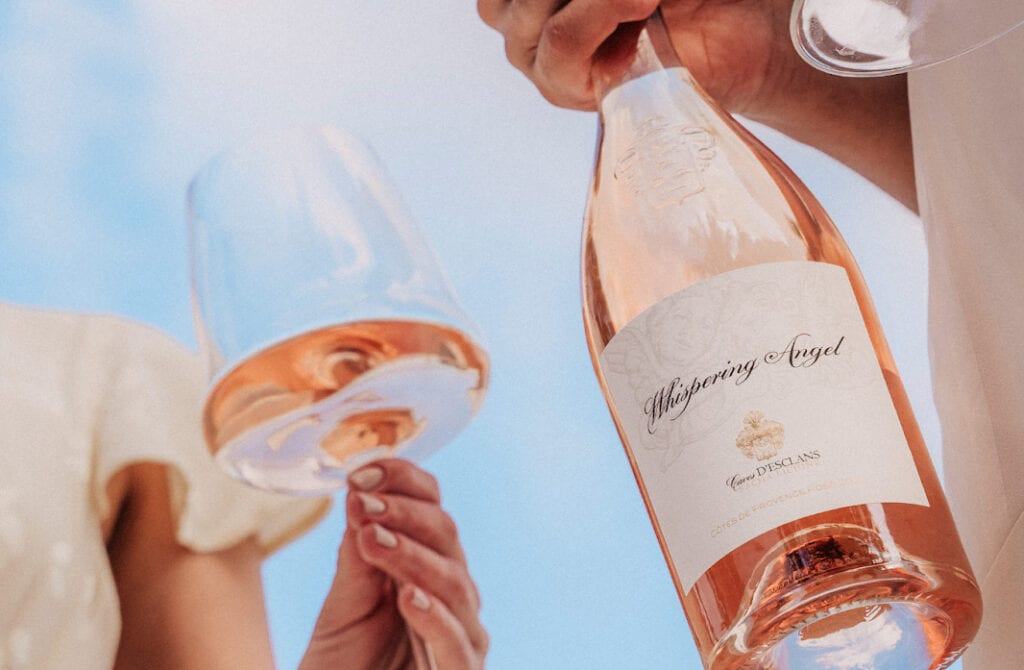
Moreover, Provence rosés are a welcome addition to any table. As an aperitif, they pair perfectly with tapenade or grilled vegetables. At the table, they complement Mediterranean dishes, fresh salads, or seafood. And for dessert? Try a slightly fruity rosé with a strawberry tart: guaranteed success.

In truth, it is a chameleon wine, capable of enhancing both simplicity and Michelin-starred gastronomy.

The secrets of their manufacture

But how do you achieve that elegant pale color? Contrary to popular belief, Rosé wines from Provence are not a blend of red and white wines. Their color comes from a short maceration of the black grape skins in the juice—just a few hours. It’s a delicate alchemy: too short, and the wine lacks character; too long, and it turns red.

Each winemaker adjusts this time like a chef adjusts their spices. The balance is a matter of instinct… and experience.

Rosé wines from Provence: ambassadors of the Southern lifestyle

Ultimately, what distinguishes the Rosés of Provence is less their color than their philosophy. They embody the joy of living . They are drunk on a terrace, among friends, glasses perched on their noses and smiles on their faces. They ask for nothing more than sharing and relaxation.

Their success is therefore not just a matter of taste, but of culture . Rosé is to Provence what champagne is to Reims: a symbol.

Some areas you absolutely must discover

For enthusiasts, here are a few names that make the hearts of connoisseurs beat faster:

  • Château Minuty , for its fine and elegant rosé wines .
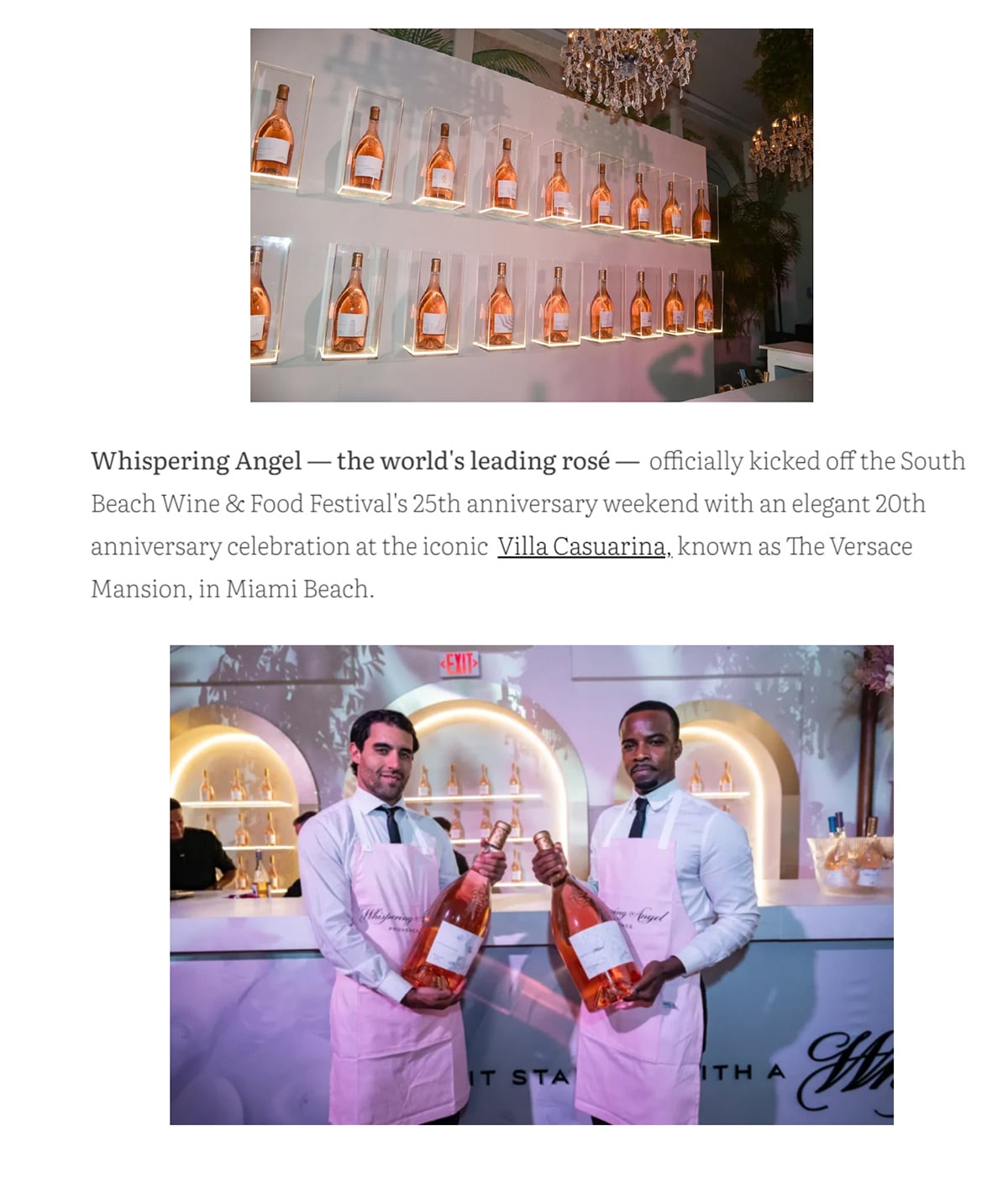
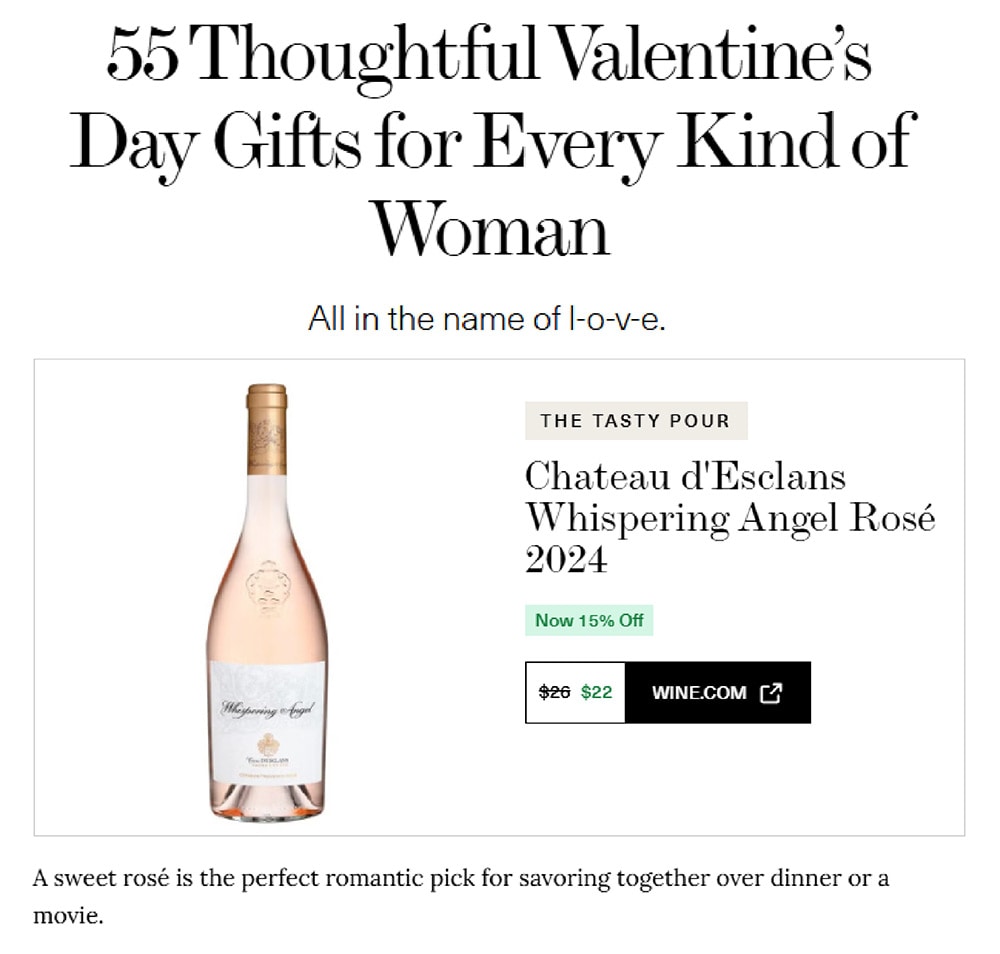
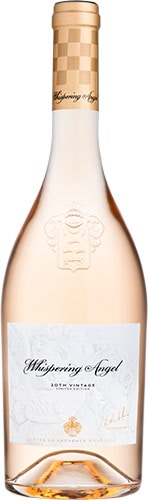
  • Château d’Esclans , creator of the famous Whispering Angel .
  • Domaine Ott , a monument of high-end rosé.
  • Miraval , formerly owned by the Pitt-Jolie couple, for a wine as glamorous as its history.

And if you are passing through the region, don’t miss the Rosé de Provence wine routes , which wind between the sea and the hills, from Saint-Tropez to Aix-en-Provence.

When is the best time to enjoy Rosé wines from Provence?

Of course, summer remains the prime season. But connoisseurs will tell you that a good rosé can be enjoyed all year round. In autumn, it brightens gray days. In winter, it evokes memories of lost sunshine. And in spring, it heralds renewal. In short, Provence rosés are the natural mood boosters of the cellar.

One last word before we go (and before we drink)

In short, Provence rosés are much more than just wine: they’re a liquid holiday . One sip, and you can almost hear the cicadas. So, the next time you’re toasting under the parasol, remember that this pale rosé isn’t just a thirst-quenching wine: it’s the South of France, concentrated in a glass.

The Best Wines To Match Thanksgiving’s Rich, Seasonal Flavors

By Liz Thach, MW

The rich, savory flavors of a traditional Thanksgiving feast, with roasted turkey, sage stuffing, pumpkin pie and all of the sides, can pair beautifully with special wines for the celebration.

Thanksgiving is a revered American holiday. It is a time to gather around the table with family and friends, to express gratitude and enjoy a sense of community spirit and fun. The air is redolent with the rich aromas of sage, onions, roast turkey, pumpkin, creamy potatoes, gravy, and other spices from favorite recipes.

So what are the best wines to pair with Thanksgiving’s rich seasonal flavors that will please every palate? Following are some recommendations that are designed to find favor from almost everyone at the table, and are organized by type of Thanksgiving food and price point.

Given that each bottle of wine (750ml) provides five glasses, just calculate the number of people joining your Thanksgiving feast, and then determine how many bottles you need. In general, it is best to offer at least two different styles of wine at your meal to please diverse palates.

I have selected wines that should be easy to find online or at larger wine shops and grocery stores. Prices are based on average Winesearcher.com prices, but may differ by location.

Best Thanksgiving Side Dish Wines – Rosé and White

Traditional Thanksgiving side dishes include green bean casserole, sweet potatoes/yams (often with melted marshmallows), savory stuffing with fragrant herbs, mash potatoes, gravy, cornbread, and cranberry sauce. Some people also serve a large green salad and/or creamy soup. For example on the West Coast, November is the beginning of crab season, so crab bisque is often found at Thanksgiving feasts there.

Given all of these rich and flavorful dishes, it is important to offer wines that have enough acid to cut through the creamy tastes, but also offer fruity and sometimes semi-sweet styles to complement the savory qualities. Certain types of white and rosé wines accomplish this quite well. Select your favorite from the lists below, or consider offering your guests one from each list.

  • Splurge ($40+) – Chateau d’Esclans Cotes de Provence ‘Rock Angel’ Rosé ($40) – a richer, full-bodied rosé with ripe berries and zingy citrus to cut through rich flavors.

A Hedonistic Day in West Palm Beach

For the hedonistic solo traveler.

By Thought Daughter Travels

By far the most darling city with the worst reputation, not many young, active solo travelers find themselves in West Palm Beach. Why? Is it because of the attitudes, the whispers of cultishness, the general draw for activities besides polo tournaments and boating competitions slim? Maybe you’ve been told there’s not much to see there, that it’s too laid back, to the point of being treacly. Currently holding the place in my heart for favorite airport hotel, West Palm is my most recent conquest, a place I have been able to make lovely in my mind. A small warning that I might be biased: growing up in a small town south of Orlando, home of a gas station and Publix only, it was the closest big city; my parents would drive us down to the farmer’s market by Clematis, or to get ice cream and walk on the Municipal Beach on a Sunday in November, when the weather was pleasant. They would go to Sunfest by the waterfront in their wilder days, and leave my brother and I with our grandparents. Now the only times I traipse around the little city are when I go for work, in which I’ve recently constructed what would be the absolute perfect day in West Palm Beach: a day set for myself, a “thought daughter” esque writer, constantly on the brink of existentialism, bored with everything except people-watching.

As always, a perfect day begins and unfolds near the water, and a nice, thought provoking walk, the length depending on where you stay the night before. Surfside Diner on Royal Palm Way is a perfect stop for a black coffee on the run, a quaint cafe facing the street, its tiny blue tables boasting fried grouper sandwiches and Eggs Benedict. Ordering at the counter and waiting for it there is always a good idea anyway; watching the orders appear facedown on the wooden countertop, the lazy handwriting of the servers, so early in the morning. Potentially full of families, especially if you come to town on a Sunday, catching the church crowd. Coffee in hand, the beach is a mere few steps away, where you can lay your towel and your items, for me, my undoubtedly large Ted Baker, full of my journal, my poetry notebook, my runes and my current read, the out of season Master and Margarita (when I left, it was fall in New York).

After a dip in the ocean and baking in the sun for a few minutes, assuming you’re still looking presentable, behold my favorite bookstore in all of Florida, Raptis Rare Books, a quiet antiquarian bookshop that sits on Worth Avenue, its silent crown. A gem in the midst of the Chanel and Bottega Venetta, the store specializes in fine first editions and classics, with stunning floor to ceiling displays behind fragile glass covers, wine red editions of F. Scott Fitzgerland and Homer. Maybe you’ll have the blessing of meeting Matthew and Adrienne Raptis, who founded the store on their love of rebinding and repairing custom clamshell boxes, and Greek status that adorn the store, their heads on display. The private office of the literary paradise is usually open to the public; located behind the displays, an elegant pool table sits, untouched, and several brown leather armchairs, and Matthew and Adrienne have even put in a cigar lounge conjoined to the shop, and a literary themed coffee shop. Though the store is small it is grand and easy to get lost in, the likes of Artie Shaw playing as you comb through the inscribed editions of Rosseau, of Virginia Woolf. The current highest priced item is Cervantes’ final revised third edition of Parts I and II of Don Quixote- for $1,900,000.00.

Soon it’s time to take yourself to lunch: and BiCe Ristorante is waiting, just a few doors down, courtyard dining that’s coveted and chic. Let it be noted that BiCe is my perfect pick for a solo lunch because of the limited space the courtyard offers- squeezed between an antique jewelry store and a CJ Laing, it is the perfect spot to watch the shoppers and the lovers, who linger nearby the storefronts, a shared space. But the perfect table for a lone diner is waiting- a small spot at the very front, nose to nose with the entertainment, a Spanish guitar player on Saturday mornings and afternoons. Opt for a glass of the Whispering Angel in one of their sparkling champagne tulip flutes, to be enjoyed with the Parma e Mozzarella pizza- mozzarella, roasted cherry tomatoes, arugula, prosciutto San Daniele, and extra virgin olive oil, while you enjoy the music. The service is curt and friendly, a chic spot to stop and take a break, not intimate a place enough to linger due to the quick turnaround table service.

A Global Wine Map From England To Australia

From emerald Douro slopes to Mendoza’s sweeping plains—here are the world’s 50 best wineries, ranked by wine experts at Virgin Wines.

By Lewis Nunn

Terraced vineyards climb Douro’s emerald slopes, century‑old Malbec vines sweep Mendoza’s plains, and horse‑drawn carriages roll through time‑worn estates. From neo‑Gothic chapels in Chile’s Maipo Valley to submerged cellars in Argentina, these wineries unite cultural landmarks with innovation. To distill the very best, applications were submitted by leading estates via more than a dozen global tourist boards, before being sent to wine experts at Virgin Wines to analyze and rank the world’s 50 best wineries, via a data-driven framework. The criteria? Heritage and longevity, mentorship of future winemakers, sustainability certifications, social responsibility, innovation in viticulture, transparency through ESG reporting, and even packaging choices (see Virgin Wines’ ranking insights at the end of the guide). The result? A global atlas of wineries well worth the flight—from storied icons to rising stars.

Sophie Lord, Buying Director, Virgin Wines, spoke about the final shortlist: “The final line-up showcases those that achieved the highest scores across a range of benchmarks, including historical significance, innovation, consumer engagement, sustainability, and social responsibility. Sustainability and social responsibility carried particular weight—values that have become increasingly vital to the global wine industry and central to our judging process”.

34. Château d’Esclans

Where: Provence, France

Château d’Esclans

Set on elevated land near the Gorges de Pennafort, Château d’Esclans is the Provençal estate behind the global rosé phenomenon Whispering Angel. Acquired by Sacha Lichine in 2006, the château—once a residence of the Counts of Provence—ignited the “Rosé Renaissance” with a portfolio that includes Rock Angel, Les Clans, and Garrus. Now majority-owned by LVMH, the estate marries 19th-century architecture with modern winemaking, harvesting grapes at sunrise to preserve freshness. Tour the cellars, stroll the Mediterranean gardens, and enjoy guided tastings that trace the evolution of rosé.

Copacabana Palace celebrates French charm with the Provence Brunch in partnership with Whispering Angel rosé.

Starting November 16th, the hotel’s traditional brunch will have a new edition inspired by Provence, combining haute cuisine and the most prestigious rosé from the French region.

By Renata Granchi

Starting November 16th, the Copacabana Palace will once again host an experience that combines elegance, gastronomy, and French culture. The iconic Rio de Janeiro hotel will host the 3rd edition of the Provence Brunch , in partnership with Whispering Angel , one of the most celebrated rosés from the Provence region, produced by the Château d’Esclans winery .

The experience, which has already become a classic among the hotel’s gastronomic events, will take place on select Sundays : November 16 and December 14, 2025, January 11, February 8 and March 22, 2026. The setting will be the Pérgula restaurant , by the iconic Copacabana Palace pool, featuring a special buffet that celebrates Mediterranean cuisine.

Among the options, the brunch offers fresh salads, hot dishes, risottos prepared to order, cheeses, cold cuts, antipasti and handmade pastas , as well as a selection of desserts that reflect the refinement of the establishment.

Whispering Angel , the star of the occasion, is considered the world’s best-selling rosé from Provence , appreciated for its lightness and elegance. With a delicate color and floral aroma with notes of red fruit, the wine is produced from a blend of Grenache, Cinsault, and Rolle grapes , grown near the Esclans Valley. The winemaking process involves night harvesting , gentle pressing , and controlled fermentation in stainless steel tanks , preserving freshness and vibrancy.

Château d’Esclans wins IWSC 2025 Rosé Wine Producer Trophy

By Gosia Young

Nearly twenty years after Sacha Lichine acquired a Provençal estate with dreams of creating “the greatest rosés in the world,” Château d’Esclans has been awarded the IWSC’s 2025 Rosé Wine Producer Trophy. 

When founder Sacha Lichine founded Château d’Esclans in 2006, rosé was, quite frankly. largely dismissed as ‘simple summer refreshment’. Today, thanks largely to his vision and the global success of Whispering Angel, Provençal-stylerosé commands serious attention in wine lists from New York to Hong Kong. Our IWSC judges recognised this transformation: “What they’ve done at Château d’Esclans has been so extraordinary for rosé as a category.” 

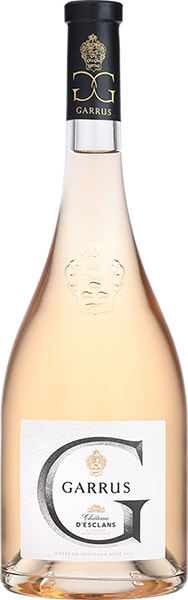
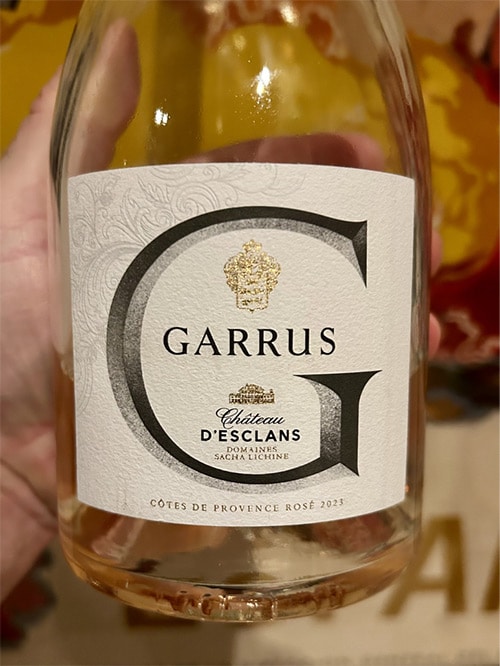
The IWSC Rosé Wine Producer Trophy celebrates excellence across rosé portfolios, and Château d’Esclans demonstrated a remarkable range. From Whispering Angel – now sold in over 100 countries – to their premium Garrus, the estate showcased what happens when traditional Provençal terroir meets uncompromising winemaking standards. David Kermode noted: Château d’Esclans entered Garrus – a rosé crafted to age – into blind competition. It stood out for its quality, and it should serve as a signal to other producers of the power of entering vintage wines.” 

Under technical director Bertrand Léon, whose father Patrick established the estate’s winemaking philosophy, Château d’Esclans continues pushing boundaries whilst maintaining rigorous standards. Their approach combines old-vine minerality from chalky soils with state-of-the-art cellar technology, including one-of-a-kind individual temperature-controlled barrel systems and optical sorting equipment. 

The estate also achieved Level 3 Haute Valeur Environnementale certification in 2024, lightened all bottles by 20%, and introduced the first carbon-neutral bottle for Garrus. Meanwhile, Rock Angel After Dark – featuring a luminous bottle designed for nightlife – demonstrates how tradition can embrace contemporary culture and for younger generations. 

As Château d’Esclans approaches their twentieth vintage, the estate has transformed not just their own fortunes but an entire category. From a single visionary’s dream to global rosé renaissance – that’s the Château d’Esclans story. 

Congratulations to Château d’Esclans

The history of France shines at the InterContinental Paris – Le Grand

By Nicolas

With eight kilometres of carpeted hallways and ten categories of rooms and suites, there’s no shortage of choice and space at the InterContinental Paris Le Grand by IHG.

Next to the historic Opéra Garnier, this 458-room five-star hotel also offers a central location for exploring the City of Lights, including the nearby Galeries Lafayette and Louvre.

As I passed within a few meters of the sumptuous opera house, the largest theater in the world when it opened in 1875, I had a clear idea of what this iconic hotel could offer in terms of opulence, located in the architectural heart of nineteenth-century Haussmannian Paris. It did not disappoint.

Beyond the open-plan lobby and reception area with its intricate floral arrangements and polished marble floors, my partner and I entered the Salon Verrière, or grand conservatory, a classic Belle Époque world topped with a tall metal dome resembling that of the Grand Palais or the Musée d’Orsay. This expansive living room is a resting place for guests, adorned with palm and citrus trees, brass railings, richly textured carpets, gold-leaf-framed mirrors, chandeliers, ornate pillars, and stucco on the ceiling. Groups of lamps hanging on the walls, more like nineteenth-century lanterns, are a strong reminder of this past glory era. We felt like royalty.

Later in the evening, we headed to the unforgettable Café de la Paix, a restaurant where nothing is ordinary, a bit like a step back in time, yet another exuberant tribute to the golden age of the belle époque, well illustrated by its intricately designed ceiling.

Dining in Paris without enjoying the classic French dish of escargots would be sacrilegious, so my partner opted for this as a starter. Twelve plump and tender Burgundy farmed snails came out of their shells and quickly arrived to her, which she enjoyed with a homemade brioche.

I chose another classic French dish, onion soup, attempted after our server, Antoine, said the recipe was from the 1800s. Described briefly, it provided bites of umami taste. Our main courses came from both land and sea, steak tartare and Dover sole, chosen in part because they are both created at the table, making for an even more memorable dining experience.

My fish was so generously big, shame on me, I found it impossible to finish it, much to the concern of the attentive manager of the restaurant, Paul Lescureux. I showed my belly. He understood and nodded with a smile.

We chose a bottle of Provence Whispering Angel rosé wine to accompany our dishes. Other options on a wide range included appetizers such as smoked Norwegian salmon, baeri caviar, duck pate, and burrata and main courses such as tuna tartare, sea bass, Canadian lobster, ribeye, roast duck, veal chops, and, for vegetarians, eggplant confit.

For a memorable stay in the City of Lights in a glamorous hotel that opened its doors nearly 200 years ago, in 1862, the InterContinental Paris – Le Grand is certainly a wise choice.

How Aldo Sohm Became One of the Greatest Sommeliers in the World

Inside his rise in the restaurant industry and success at Le Bernardin.

By Tori Latham

Aldo Sohm is one of the most accomplished sommeliers in the world. The 54-year-old Austrian runs an oenophile’s empire on New York City’s West 51st Street, where he both serves as wine director at Michelin three-star Le Bernardin and leads his namesake wine bar just kitty-corner from the fine-dining institution. (He spends his days quite literally running back and forth between the two.) So it may come as a surprise that this man, who sips some of the world’s most prized varietals day in and day out, readily admits to the joys of a glass of Whispering Angel rosé, which retails at Target for just $22.99 a bottle.

The context here is important, and the aptly named Sohm is quick to clarify that he’s not about to start serving Whispering Angel as one of the pairings with chef Eric Ripert’s $530 eight-course tasting menu.

But during a trip to the Caribbean for the Cayman Cookout food festival, Sohm’s wife requested a glass of rosé on the beach. When he went to fetch it, she specified that she wanted a cheap rosé, not the fancy stuff that he likely would have grabbed.

“I felt kind of gobsmacked, right?” Sohm says as we’re sitting in the tasting room at Aldo Sohm Wine Bar. “Now, rather than just criticizing, I have to admit: I got out of the water, and I tried Whispering Angel, too. It was delicious.”

The 26 best journeys to embark on in 2026

We’ve picked 26 epic, perspective-shifting journeys to take in 2026, from luxury train rides and cross-country road trips to cycling odysseys

By Christy Spring

Journeys, good or grim, always leave their mark. I can still summon every rattling mile of the nine-hour bus from Palenque to Mérida, a ride punctuated by a biblical bout of food poisoning and the crutch of an Imodium pill. We remember the getting-there as much as the being-there. As children, it might be the road trips to grandparents with The Eagles on loop; later, maybe the Calais ferry to a leaky tent in France or your first gap-year night bus with the air-con locked to arctic hell.

Travel is impossible without journeys. They’re the bulk of our time away, the awkward, essential ways we move through the world. And while history hands us its pantheon of explorers – the map-makers, the sea captains, the men in ruffs who mostly blundered into places already inhabited – we don’t need to worship them to recognise the urge that led people to move. A long journey can stir something, whether you’re Odysseus drifting homeward, or a backpacker taking the LNER service up to Edinburgh.

Which is why, for 2026, we’ve chosen 26 journeys worth making. Not all in one year, unless you’ve got annual leave to burn, but enough to remind you that the best, most mind-expanding travel exists beyond the sun-lounger. It’s the boat to Antarctica, the kayak through the Hebrides, the road trip in Patagonia. It is rewarding, challenging and memorable – the kind of travel that lodges itself deep into your hippocampus.

Ditch the airport chaos and hop aboard The Travelski Night Express straight to the heart of Les 3 Vallées this winter. The locomotive whisks you from Paris to Moûtiers overnight in comfort, with 660 cosy sleeper berths and a bar-restaurant car. Wake up to snow-capped peaks, take a short transfer to Méribel’s famed slopes, and hit the world’s largest ski area (600km of pistes) before loading up on fondue, raclette and perhaps a glass of Whispering Angel.

From £4,520 per person (including seven nights accommodation); uk.travelski.com

Unexpected Entertaining Pairings from MARTHA STEWART and CHATEAU D’ESCLANS Rosé Wines

As we move steadily into fall and soon after the holiday season, check out some great entertaining ideas and food & wine pairings from Martha Stewart’s Appetizers, her newest cookbook, paired with the rosé wines of Chateau d’Esclans – the winery which is forever changing the rosé occasion with their bold premium rosé offerings.

Though rosé is often viewed as a summer staple, Château d’Esclans’ unique portfolio offers premium, ageable rosés that complement the transitioning weather and fare.

Les Clans and Garrus, two of the winery’s high-end offerings, are made with the finest aged grapes and have flavor profiles reminiscent of white burgundies, which pair beautifully with the fall and winter bounty. Delicious recipes to accompany the offerings can be found in Martha Stewart’s Appetizers, a new collection of easy, yet stylish recipes that fit today’s way of cooking for and hosting events.

From more than 200 of Martha’s recipes, we’ve selected a few to highlight that are easy and delicious for entertaining this fall/holiday season!

Cheers!

Arancini, paired with Rock Angel

Sausage and Cheddar Balls, paired with Les Clans

Smoked Salmon on Rye Canapés, paired with Garrus